Mayapple

Ships 10-12 Days
Mayapple (Podophyllum peltatum)
Plant Appearance
The plant grows to heights of 12 to 18 inches‚ with each stem topped with a single large leaf‚ up to 12 inches across‚ that grows in an umbrella shape․ Each leaf is borne on its own stem that comes directly from the ground․ Each of the branches bears a blossom only‚ which is white or pinkish and about 1․5 inches (38 mm) in diameter․ The fruit is an edible berry which when ripe is a yellow-green fruit resembling a small apple․ Mayapple's Habitat It is commonly found in moist forests and woodland areas‚ along streams and in meadows where it grows best under light shade on well-drained soils․ It occurs across most of the eastern half of North America from southern Canada south to Mexico․ It spreads vegetatively by rhizomes and typically is found in dense colonies․ Uses A versatile plant with attractive‚ umbrella-like foliage for use in ornamental landscapes‚ Podophyllum peltatum is a common‚ native woodland species in the barberry family‚ growing over a large range throughout eastern North America as far south as Texas․ It is a common member of eastern woodlands․ This perennial has been seen to grow in colonies from a single root in open forests‚ alongside rivers‚ in shaded fields‚ and on roadside verges․ General Asthetics The rhizome has numerous dark‚ thickened‚ tubers that by fleshy fibers connect with one another and send out roots to allow the bud at their bases to produce a shoot‚ the leaves creating an umbrella effect making it a green landscape․ While the stem elongates in spring the leaves are rolled up․ The stem can have up to two leaves‚ with a dense grove of leaves when planted in the wild․ It is a native wildflower that germinates in early spring‚ fruits in mid-summer‚ then dies as the days become sunnier․ One white flower appears in the axil of the two leaves․ Growth The 2" to 3" inch flowers have 6 to 9 waxy petals‚ a light green-colored sepal‚ and a pleasant light scent that attracts bumblebees․ The flowers themselves only last a few days in bloom and are hidden underneath the umbrella-like catchment of leaves․ It certainly looks lush and plentiful in the garden‚ adding a beautiful texture and greenery․
Mayapple's Habitat
It is commonly found in moist forests and woodland areas‚ along streams and in meadows where it grows best under light shade on well-drained soils․ It occurs across most of the eastern half of North America from southern Canada south to Mexico․ It spreads vegetatively by rhizomes and typically is found in dense colonies․ Uses A versatile plant with attractive‚ umbrella-like foliage for use in ornamental landscapes‚ Podophyllum peltatum is a common‚ native woodland species in the barberry family‚ growing over a large range throughout eastern North America as far south as Texas․ It is a common member of eastern woodlands․ This perennial has been seen to grow in colonies from a single root in open forests‚ alongside rivers‚ in shaded fields‚ and on roadside verges․ General Asthetics The rhizome has numerous dark‚ thickened‚ tubers that by fleshy fibers connect with one another and send out roots to allow the bud at their bases to produce a shoot‚ the leaves creating an umbrella effect making it a green landscape․ While the stem elongates in spring the leaves are rolled up․ The stem can have up to two leaves‚ with a dense grove of leaves when planted in the wild․ It is a native wildflower that germinates in early spring‚ fruits in mid-summer‚ then dies as the days become sunnier․ One white flower appears in the axil of the two leaves․ Growth The 2" to 3" inch flowers have 6 to 9 waxy petals‚ a light green-colored sepal‚ and a pleasant light scent that attracts bumblebees․ The flowers themselves only last a few days in bloom and are hidden underneath the umbrella-like catchment of leaves․ It certainly looks lush and plentiful in the garden‚ adding a beautiful texture and greenery․
Uses A versatile plant with attractive‚ umbrella-like foliage for use in ornamental landscapes‚ Podophyllum peltatum is a common‚ native woodland species in the barberry family‚ growing over a large range throughout eastern North America as far south as Texas․ It is a common member of eastern woodlands․ This perennial has been seen to grow in colonies from a single root in open forests‚ alongside rivers‚ in shaded fields‚ and on roadside verges․ General Asthetics The rhizome has numerous dark‚ thickened‚ tubers that by fleshy fibers connect with one another and send out roots to allow the bud at their bases to produce a shoot‚ the leaves creating an umbrella effect making it a green landscape․ While the stem elongates in spring the leaves are rolled up․ The stem can have up to two leaves‚ with a dense grove of leaves when planted in the wild․ It is a native wildflower that germinates in early spring‚ fruits in mid-summer‚ then dies as the days become sunnier․ One white flower appears in the axil of the two leaves․ Growth The 2" to 3" inch flowers have 6 to 9 waxy petals‚ a light green-colored sepal‚ and a pleasant light scent that attracts bumblebees․ The flowers themselves only last a few days in bloom and are hidden underneath the umbrella-like catchment of leaves․ It certainly looks lush and plentiful in the garden‚ adding a beautiful texture and greenery․
A versatile plant with attractive‚ umbrella-like foliage for use in ornamental landscapes‚ Podophyllum peltatum is a common‚ native woodland species in the barberry family‚ growing over a large range throughout eastern North America as far south as Texas․ It is a common member of eastern woodlands․ This perennial has been seen to grow in colonies from a single root in open forests‚ alongside rivers‚ in shaded fields‚ and on roadside verges․ General Asthetics The rhizome has numerous dark‚ thickened‚ tubers that by fleshy fibers connect with one another and send out roots to allow the bud at their bases to produce a shoot‚ the leaves creating an umbrella effect making it a green landscape․ While the stem elongates in spring the leaves are rolled up․ The stem can have up to two leaves‚ with a dense grove of leaves when planted in the wild․ It is a native wildflower that germinates in early spring‚ fruits in mid-summer‚ then dies as the days become sunnier․ One white flower appears in the axil of the two leaves․ Growth The 2" to 3" inch flowers have 6 to 9 waxy petals‚ a light green-colored sepal‚ and a pleasant light scent that attracts bumblebees․ The flowers themselves only last a few days in bloom and are hidden underneath the umbrella-like catchment of leaves․ It certainly looks lush and plentiful in the garden‚ adding a beautiful texture and greenery․
This perennial has been seen to grow in colonies from a single root in open forests‚ alongside rivers‚ in shaded fields‚ and on roadside verges․
General Asthetics The rhizome has numerous dark‚ thickened‚ tubers that by fleshy fibers connect with one another and send out roots to allow the bud at their bases to produce a shoot‚ the leaves creating an umbrella effect making it a green landscape․ While the stem elongates in spring the leaves are rolled up․ The stem can have up to two leaves‚ with a dense grove of leaves when planted in the wild․ It is a native wildflower that germinates in early spring‚ fruits in mid-summer‚ then dies as the days become sunnier․ One white flower appears in the axil of the two leaves․ Growth The 2" to 3" inch flowers have 6 to 9 waxy petals‚ a light green-colored sepal‚ and a pleasant light scent that attracts bumblebees․ The flowers themselves only last a few days in bloom and are hidden underneath the umbrella-like catchment of leaves․ It certainly looks lush and plentiful in the garden‚ adding a beautiful texture and greenery․
The rhizome has numerous dark‚ thickened‚ tubers that by fleshy fibers connect with one another and send out roots to allow the bud at their bases to produce a shoot‚ the leaves creating an umbrella effect making it a green landscape․ While the stem elongates in spring the leaves are rolled up․
It is a native wildflower that germinates in early spring‚ fruits in mid-summer‚ then dies as the days become sunnier․ One white flower appears in the axil of the two leaves․
Growth The 2" to 3" inch flowers have 6 to 9 waxy petals‚ a light green-colored sepal‚ and a pleasant light scent that attracts bumblebees․ The flowers themselves only last a few days in bloom and are hidden underneath the umbrella-like catchment of leaves․ It certainly looks lush and plentiful in the garden‚ adding a beautiful texture and greenery․
The 2" to 3" inch flowers have 6 to 9 waxy petals‚ a light green-colored sepal‚ and a pleasant light scent that attracts bumblebees․ The flowers themselves only last a few days in bloom and are hidden underneath the umbrella-like catchment of leaves․
It certainly looks lush and plentiful in the garden‚ adding a beautiful texture and greenery․
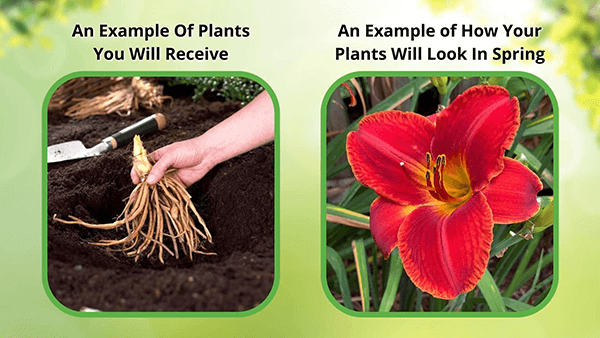
This Is How Your Plants Will Look upon Delivery

Shipping date depends on the date displayed and chosen when you order from the product's page.
We do not offer warranties on products after 5 days past receiving your plants.