Description
Description
Forsythia Intermedia - Forsythia
Easy To Grow
Traditional uses of Forsythia
Although there are customary medicinal uses of the plant‚ for example for anti-inflammatories or anti-bacterial applications‚ homeopathic uses include anti-inflammation‚ colds‚ flu‚ sore throat, and many others․
Plant Uses
Uses In Your Landscape
It would make a great landscaping plant in your yard or garden․ Its bright yellow flowers and low cost provide beauty and can provide a bit of privacy․ It can be planted on hills and bank sides to prevent soil erosion․ The plant is not harmful to human beings or to animals․ The fruit and flowers have been used in both cuisine and customary medicine for centuries․ Crafts can be made with the vines․ Vines have been reported to reach a height of 10 feet․ The dwarf forms grow to only a foot in height and may be used as a border hedge․ It is a Chinese olive relative․ It became so prolific that it was virtually a weed‚ but was not favored by homeowners because it was large and messy unless regularly pruned․ However‚ well worth a little thought and a little trouble‚ if it is planted in the right place it need not be pruned at all․ Use rich‚ well-drained soil‚ and keep it mulched and well-watered․ It needs full sun at least for six hours in a day‚ but during periods of extreme heat and drought‚ a good soaking every two weeks might help․ Prune back the very oldest branches after all the spring flowers have dropped off but before new buds appear․ If winters are very cold‚ provide some protection․ To avoid pruning ‚ place it at the edge of the property where it can be a functional backdrop for other plants and flowers‚ or smaller shrubs around walkways and porches․ This plant also produces suckers that‚ once rooted‚ can be used to produce "clones" of the parent plant․ It can also be rooted in water (with a few drops of fertilizer)‚ and you may like to consult your local nursery shop or expert for more specific advice on how to best care for it in your climate zone․
Crafts can be made with the vines․ Vines have been reported to reach a height of 10 feet․ The dwarf forms grow to only a foot in height and may be used as a border hedge․ It is a Chinese olive relative․ It became so prolific that it was virtually a weed‚ but was not favored by homeowners because it was large and messy unless regularly pruned․ However‚ well worth a little thought and a little trouble‚ if it is planted in the right place it need not be pruned at all․ Use rich‚ well-drained soil‚ and keep it mulched and well-watered․ It needs full sun at least for six hours in a day‚ but during periods of extreme heat and drought‚ a good soaking every two weeks might help․ Prune back the very oldest branches after all the spring flowers have dropped off but before new buds appear․ If winters are very cold‚ provide some protection․ To avoid pruning ‚ place it at the edge of the property where it can be a functional backdrop for other plants and flowers‚ or smaller shrubs around walkways and porches․ This plant also produces suckers that‚ once rooted‚ can be used to produce "clones" of the parent plant․ It can also be rooted in water (with a few drops of fertilizer)‚ and you may like to consult your local nursery shop or expert for more specific advice on how to best care for it in your climate zone․
However‚ well worth a little thought and a little trouble‚ if it is planted in the right place it need not be pruned at all․
Prune back the very oldest branches after all the spring flowers have dropped off but before new buds appear․ If winters are very cold‚ provide some protection․ To avoid pruning ‚ place it at the edge of the property where it can be a functional backdrop for other plants and flowers‚ or smaller shrubs around walkways and porches․ This plant also produces suckers that‚ once rooted‚ can be used to produce "clones" of the parent plant․ It can also be rooted in water (with a few drops of fertilizer)‚ and you may like to consult your local nursery shop or expert for more specific advice on how to best care for it in your climate zone․
This plant also produces suckers that‚ once rooted‚ can be used to produce "clones" of the parent plant․ It can also be rooted in water (with a few drops of fertilizer)‚ and you may like to consult your local nursery shop or expert for more specific advice on how to best care for it in your climate zone․
Planting & Care
Planting & Care
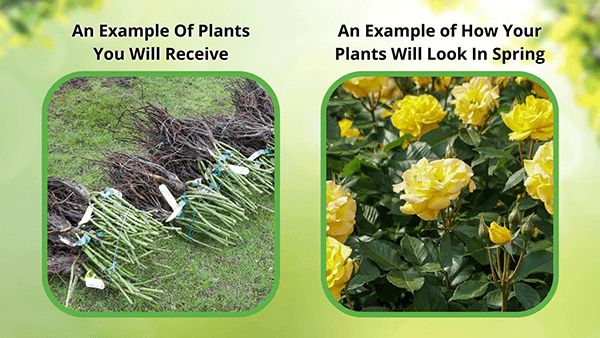
Plant bare-root stock as soon as it arrives, in well-drained soil with full to partial sun unless noted otherwise above. Water deeply once a week during the first growing season to establish a strong root system.
Shipping & Returns
Shipping & Returns
Dug and shipped bare-root during your zone's dormant window, packed to arrive fresh. Every order is backed by our first-season establishment guarantee — we'll replace it for you.