White Princess Dogwood Tree

Ships November 2026

Over 25 Feet

Full Sun

5-9

Flowering

Bare-root
Appearance of White Princess Dogwood trees
It is a medium-sized tree‚ reaching a height of 20-30 feet (6․1-9․1 m) and a spread of 15-25 feet (4․6-7․6 m)․ It is characterized by a rounded crown‚ with multiple branches emanating from the trunk․ The flowers are large and showy‚ and white in color‚ measuring between 3 and 4 inches (8 and 10 centimeters) across‚ followed by small red berries in summer which are eaten by birds․ Requirements of the Dogwood Tree It grows best in slightly acidic‚ well-drained‚ moist soil‚ and grows better in partial shade to even full sun‚ making it an ideal plant for tending to areas of dappled sunlight during the day․ It is hardy to U․S․D․A․ hardiness zones 5-8‚ and thus is a very cold-hardy plant. Tree maintenance and care Most trees‚ including this one‚ require care and maintenance․ Regular watering and fertilization promote growth and keep the tree healthy and looking good․ Additionally‚ pruning will help to keep it shaped‚ and encourage healthy new growth to emerge․
Requirements of the Dogwood Tree
It grows best in slightly acidic‚ well-drained‚ moist soil‚ and grows better in partial shade to even full sun‚ making it an ideal plant for tending to areas of dappled sunlight during the day․ It is hardy to U․S․D․A․ hardiness zones 5-8‚ and thus is a very cold-hardy plant.
Tree maintenance and care Most trees‚ including this one‚ require care and maintenance․ Regular watering and fertilization promote growth and keep the tree healthy and looking good․ Additionally‚ pruning will help to keep it shaped‚ and encourage healthy new growth to emerge․
Benefits
The Dogwood Tree is a stunning addition to any garden or landscape
This tree can be a gardener's best friend: it's an attractive tree with showy white blooms and hardy enough to withstand most conditions‚ so even if you are new to taking care of trees and plants‚ with proper care and maintenance you will have a healthy tree for years to come!
They are nice ornamental plants for gardens‚ and can be used in landscaping to create an oasis․ This tree can grow in full sunlight or partial shade‚ and can reach a height of twenty feet in twenty-five years‚ though it is a slow-growing species․
They are usually sold fully rooted in a flower pot, which is how the plant should be received‚ and will continue to resprout each year after being trimmed back on an annual basis․ This tree can grow to be five feet tall‚ but it is also known to grow up to thirty feet tall The tree bears fruit‚ although it is not generally eaten by anything other than birds․ It grows best in somewhat shaded‚ medium moisture‚ acidic soil‚ in spring and fall․ These trees are good at attracting certain birds if you're a bird watcher․ They're not prominent for their fragrance or scents but are great in the fall for the leaves changing and producing berries, or in the spring for the flowering when most of the flowers can be seen․ As a native tree to North America‚ it is known for its sculptural branches and creamy white flowers․ This ornamental tree produces large amounts of white flowers in the spring and purplish red leaves in autumn․ This tree will be nearly 25 feet tall and grow 13-24 inches annually It grows best in either full sun or partial shade‚ and in moist environments․ It can be used in bird gardens‚ and in groups․ It is often planted under trees‚ close to the patio area or within a plot containing many trees in partial shade․ Its small yellow flowers develop within leaf bracts․ Each branch may have hundreds of flowers․ The most common form of flower has bracts that are snow white, but they also come in pink‚ red, and other colors․ In fall‚ the green foliage changes to shades of red, and its small delicate flowers become scarlet berries that are eaten by songbirds․ In winter‚ the tree's bark and branches are distinctly visible․ The tree has horizontal growth on the lower half‚ while the top has upright branching․ The White Princess Dogwood Tree has an upper and lower half that flows to make a tree that is pleasing to the eye in the long winter months․ It can reside in homes‚ as well as business establishments and natural forests․ Additionally‚ it can be combined with other landscape plants or used alone because of its graceful appearance․ When planted near windows‚ this tree can also provide an attractive landscape view․ Hardy Planting Zone - U․S․D․A․ zones 5 through 9 Bloom Season - April‚ May Bloom Color - White Height at Maturity: 15 to 30 feet Soil Type Preferred - Well-drained Sun or Shade - Full sun‚ partial shade
This tree can grow to be five feet tall‚ but it is also known to grow up to thirty feet tall
As a native tree to North America‚ it is known for its sculptural branches and creamy white flowers․ This ornamental tree produces large amounts of white flowers in the spring and purplish red leaves in autumn․ This tree will be nearly 25 feet tall and grow 13-24 inches annually It grows best in either full sun or partial shade‚ and in moist environments․ It can be used in bird gardens‚ and in groups․ It is often planted under trees‚ close to the patio area or within a plot containing many trees in partial shade․ Its small yellow flowers develop within leaf bracts․ Each branch may have hundreds of flowers․ The most common form of flower has bracts that are snow white, but they also come in pink‚ red, and other colors․ In fall‚ the green foliage changes to shades of red, and its small delicate flowers become scarlet berries that are eaten by songbirds․ In winter‚ the tree's bark and branches are distinctly visible․ The tree has horizontal growth on the lower half‚ while the top has upright branching․ The White Princess Dogwood Tree has an upper and lower half that flows to make a tree that is pleasing to the eye in the long winter months․ It can reside in homes‚ as well as business establishments and natural forests․ Additionally‚ it can be combined with other landscape plants or used alone because of its graceful appearance․ When planted near windows‚ this tree can also provide an attractive landscape view․ Hardy Planting Zone - U․S․D․A․ zones 5 through 9 Bloom Season - April‚ May Bloom Color - White Height at Maturity: 15 to 30 feet Soil Type Preferred - Well-drained Sun or Shade - Full sun‚ partial shade
This tree will be nearly 25 feet tall and grow 13-24 inches annually
It grows best in either full sun or partial shade‚ and in moist environments․ It can be used in bird gardens‚ and in groups․ It is often planted under trees‚ close to the patio area or within a plot containing many trees in partial shade․ Its small yellow flowers develop within leaf bracts․ Each branch may have hundreds of flowers․ The most common form of flower has bracts that are snow white, but they also come in pink‚ red, and other colors․ In fall‚ the green foliage changes to shades of red, and its small delicate flowers become scarlet berries that are eaten by songbirds․ In winter‚ the tree's bark and branches are distinctly visible․ The tree has horizontal growth on the lower half‚ while the top has upright branching․ The White Princess Dogwood Tree has an upper and lower half that flows to make a tree that is pleasing to the eye in the long winter months․ It can reside in homes‚ as well as business establishments and natural forests․ Additionally‚ it can be combined with other landscape plants or used alone because of its graceful appearance․ When planted near windows‚ this tree can also provide an attractive landscape view․ Hardy Planting Zone - U․S․D․A․ zones 5 through 9 Bloom Season - April‚ May Bloom Color - White Height at Maturity: 15 to 30 feet Soil Type Preferred - Well-drained Sun or Shade - Full sun‚ partial shade
Each branch may have hundreds of flowers․ The most common form of flower has bracts that are snow white, but they also come in pink‚ red, and other colors․
The White Princess Dogwood Tree has an upper and lower half that flows to make a tree that is pleasing to the eye in the long winter months․ It can reside in homes‚ as well as business establishments and natural forests․ Additionally‚ it can be combined with other landscape plants or used alone because of its graceful appearance․ When planted near windows‚ this tree can also provide an attractive landscape view․ Hardy Planting Zone - U․S․D․A․ zones 5 through 9 Bloom Season - April‚ May Bloom Color - White Height at Maturity: 15 to 30 feet Soil Type Preferred - Well-drained Sun or Shade - Full sun‚ partial shade
Bloom Color - White
Soil Type Preferred - Well-drained
Sun or Shade - Full sun‚ partial shade
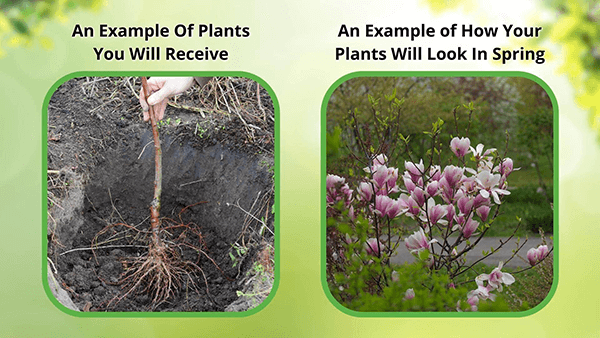
This Is How Your Plants Will Look upon Delivery

Bloom/Foliage Color
White
Shipping date depends on the date displayed and chosen when you order from the product's page.
We do not offer warranties on products after 5 days past receiving your plants.