
Best Ornamental Grasses for Tennessee Yards
Share
Ornamental grasses provide a landscape with a lot of texture, motion, and seasonal interest. Planting ornamental grasses is one of the most intelligent and least careful options that any homeowner in Tennessee can make, whether it is to soften hardscape, provide some privacy, or simply provide visual appeal all year round. We offer field nursery grasses that are hardy and ideal in Tennessee's climate and seasons at Wholesale Nursery Co.
Why Ornamental Grasses Thrive in Tennessee's Climate
The climate of Tennessee, with Hardiness Zones of 5b-8a, is considered to be the one that allows the growth of a large number of ornamental grasses. Hot and humid summers do not make them wither, and cold winters do not necessitate protection and special attention, as these plants just endure them. Most varieties become drought-tolerant when established and hence are the best in places with uneven rainfall.
Native grasses of Tennessee are known to be especially well-adapted to the conditions. They stimulate organisms in soil, enhance the diversity of microbes, and increase soil organic matter without requiring the use of fertilizers. These grasses establish quickly and are more resistant to local pests than non-native grasses and are therefore some of the most resistant, low-maintenance ornamental grasses on the market. To provide information about the choice of regionally suitable species, the USDA Natural Resources Conservation Service also provides free resources on plant identification.
Benefits of Using Ornamental Grasses for Landscaping
Ornamental grasses have more useful functions, besides being attractive. They give slope erosion control, runoff filtering, and stabilization of the soil with thick root systems. Natural privacy screens and windbreaks are of many varieties that are planted in clusters along property lines.
Design-wise, ornamental grasses for front yard plantations bring movement, texture, and seasonal drama, which cannot be achieved with the stay-put shrubs. They move gracefully in the wind, gather frost so beautifully, and keep the seed heads that are dried in the winter to keep the interest in them. Their root systems intrinsically enhance the soil structure and facilitate the local soil organisms without having to add to the soil on a regular basis, which is associated with the use of chemicals.
Step-by-Step Guide to Planting Ornamental Grasses
When planting ornamental grasses properly, they will have a quick pace of establishment and will require years of low maintenance. Complete the following steps:
-
Select the appropriate site: The majority of grasses like full sun; however, some of them like partial shade perfectly well.
-
Soil preparation: Dig a hole that is twice the size of the root ball and mix compost and organic matter into the planting site.
-
Plant at the right depth: Plant a crown at the ground level at most or slightly above the ground to avoid rot, backfill slightly, and water extensively.
Post-Planting Care Tips
- Once or twice a week, water in the initial growing season.
- Cover the base to about two or three inches to keep the soil moist.
- Heavy fertilizing should be avoided because low-maintenance ornamental grasses usually grow well in lean soils.
Wholesale Nursery Co. provides instructions on the care with each order.
Shade-Tolerant Ornamental Grasses for Woodland Yards
All yards are not in the full sun, and in these cases, shade-tolerant ornamental grasses are needed. The Wholesale Nursery Co. has the following top choices:
Bamboo
This is a quick-growing, upright grass that has an impressive vertical appearance and thick foliage that is used as a great privacy screen. Bamboo is also able to thrive in the sun as well as in partial shade, and it is one of the most diverse ornamental grasses that can be used to provide natural barriers.
Cattail Plant
A native wetland grass, its seed heads are tall and cylindrical and therefore provide dramatic vertical effects to water features and wet soil beds. One of the most familiar native grasses of Tennessee is the Cattail Plant, which is a natural habitat of the wildlife and flourishes in the moist and sunny conditions of partially shaded areas.
Appalachian Sedge
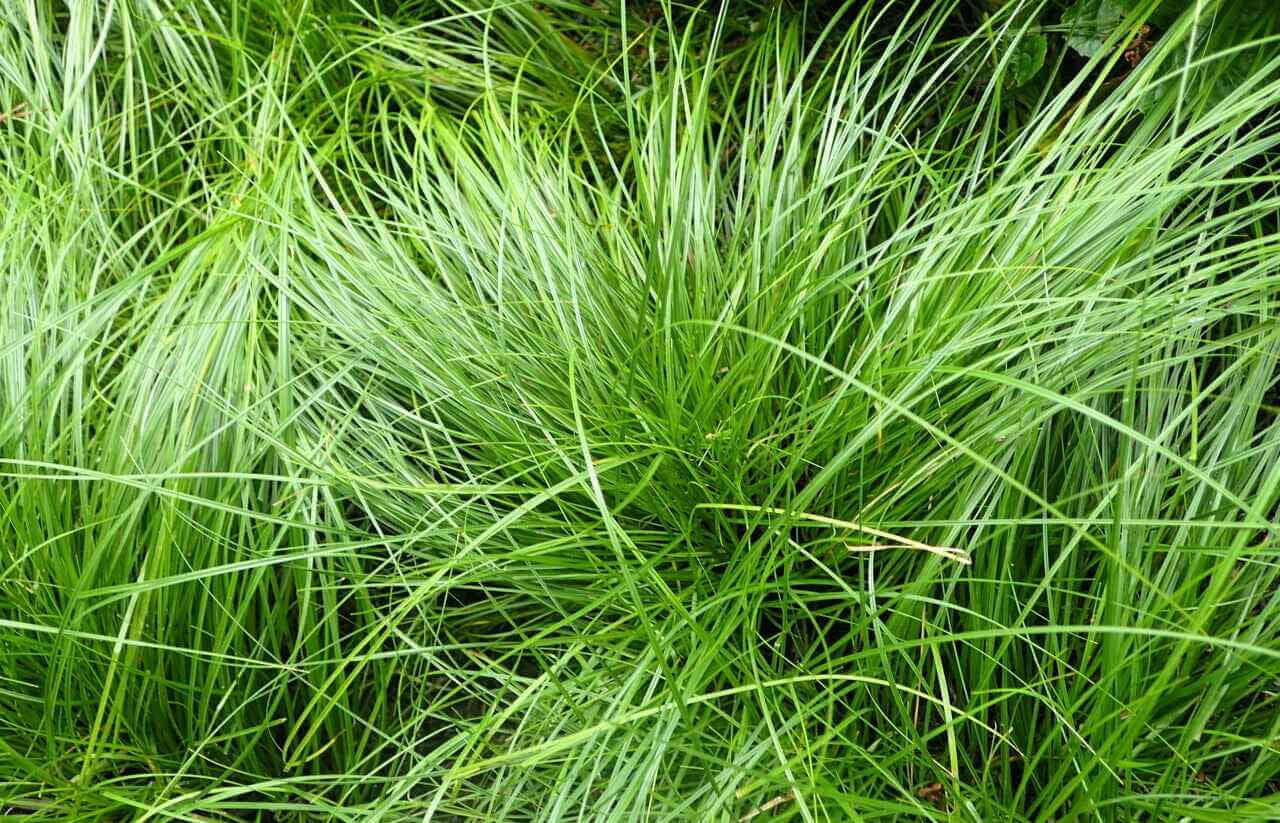
This is a sedge, which is a low-growing native sedge that has fine-textured foliage that forms a carpet-like ground cover underneath trees. The Appalachian Sedge is amongst the best shade-tolerant ornamental grasses for woodland edges and naturalizing under trees of canopy.
Carex Pensylvanica
It is a clumping sedge that has a graceful, crinkling, arching blade, which can withstand the dark environments and dry soils when most other grasses do not adapt. Carex Pensylvanica is a good option of low-maintenance ornamental grasses that would grow well in difficult shaded regions.
Pennsylvania Sedge
This is a native ground cover sedge that grows slowly to form thick lawns under the trees of the deciduous forest. Pennsylvania Sedge is among the best shade-tolerant ornamental grasses useful in substituting the traditional turfgrass in shady lawns.
Common Mistakes to Avoid When Growing Ornamental Grasses
The finest ornamental grasses will not do well when improperly planted. Avoid these common mistakes:
-
Planting excessively deep: It encourages the development of crown rot to set the crown below the ground level, and it is good to plant at ground level or slightly higher.
-
Overwatering established plants: The majority of planted ornamental grasses are drought-tolerant upon establishment and get root rot if they are kept wet.
-
Omitting cutback every year: Cut off grasses to six inches at the end of winter before new vegetation grows.
-
Excessive application of fertilizer: Native grasses grow in poor soil—too much nitrogen makes them floppy.
You can prevent all these traps and use the right methods to position your landscape for a few decades of painless beauty. Wholesale Nursery Co. is an expertly guided company when it comes to orders.
Conclusion
Ornamental grasses are the most suitable because they add texture, movement, erosion prevention, and low-maintenance loveliness to Tennessee lawns in all seasons. Is it the daring Bamboo, the dramatic Cattail Plant, the rough-textured Appalachian Sedge, the versatile Carex Pensylvanica, or the groundcover Pennsylvania Sedge? Each and every variety of the Wholesale Nursery Co. is field-grown and is ready to grow. Trust Wholesale Nursery Co., as it will supply you with the healthy ornamental grass for front yard areas and make your landscape an active and sustainable outdoor environment.
FAQs
What are the best ornamental grasses for Tennessee?
The best native grasses that are suitable for the Tennessee climate are Pennsylvania sedge, Appalachian sedge, and Bamboo.
Do ornamental grasses come back every year?
Yes, most decorative grasses are perennial, and they reappear faithfully with the spring with little effort.
Which grass is best for landscaping?
The best grass for landscaping depends on site conditions, as Pennsylvania Sedge suits shade, while Bamboo works well for privacy screening in sun or partial shade.
Are ornamental grasses low-maintenance?
Yes, ornamental grasses need only annual cutback, occasional watering during establishment, and minimal fertilizing.
When is the best time to plant ornamental grasses in Tennessee?
Early spring and fall are the best times for planting ornamental grasses, as it allows roots to establish before temperature extremes arrive.
Do ornamental grasses need full sun?
Many ornamental grasses prefer full sun, but shade-tolerant ornamental grasses like Pennsylvania Sedge and Appalachian Sedge thrive in partial to full shade.
Where can I buy ornamental grass plants online?
Wholesale Nursery Co. offers premium, field-grown ornamental grasses with expert care guidance included with every order that will be directly delivered to your doorstep with good packaging.