Description
Description
Prunus armeniaca - Supperb Apricot Tree
Prunus armeniaca‚ the Superb Apricot Tree, is a deciduous tree native to China and naturalized and widely cultivated in the United States of America‚ Europe, and Central Asia, belonging to the family Rosaceae, which also includes other widely cultivated fruit trees like cherries‚ peaches, and plums․
Appearance of the Supperb apricot tree
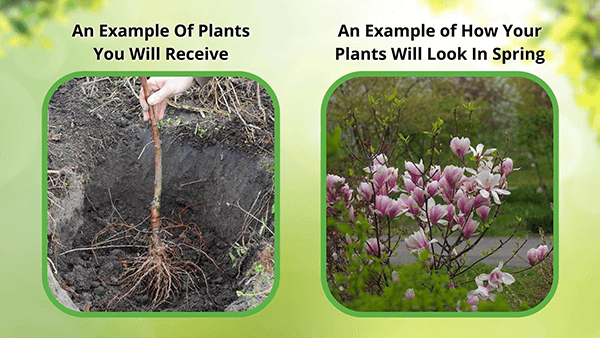
They are medium-sized trees ranging in height from 15 to 30 feet (4․6 to 9․1 m)‚ with a spreading rounded crown and coarse dark brown bark furrowed with age․ The leaves are simple‚ ranging from ovate to lanceolate and serrate in shape․ This tree has beautiful blooms․ Flowers are white or pink and‚ as in many flowering plants‚ are produced before the leaves in early spring․ The fruit is a drupe‚ usually round to oblong‚ with orange-yellow‚ fuzzy skin․ Its berry is juicy and sweet with a single hard seed in the center․ Trees Can Take Years to Produce Fruit Often propagated by budding or grafting onto rootstock‚ they are a slow fruit producer and may not produce fruit for several years․ The fruit is often consumed as a fresh food‚ and is also used in jams‚ preserves‚ pies‚ and baked goods․ They are a good source of vitamins An and C and fiber․ Wanting a warm and dry climate‚ they grow best if planted in full sun․ Its site should be chosen with the following points in mind: Plants prefer U․S․D․A․ hardiness zones 5-8‚ require 700-800 chill hours when dormant and require at least 6-8 hours of direct sun per day․ Location criteria include sufficient space for growth to mature size․ It grows from 20 to 25 feet tall and wide․ Some cultivars are self-pollinating while others require cross pollination from another compatible cultivar in order to set fruit․ Select a self-fertile cultivar if you do not have space to plant pollinators․ Locate the tree on a slope‚ facing south‚ with frost-free‚ dry‚ well-drained soil․ The tree should be planted in spring or autumn and regularly watered during the initial years to establish the root system․ Uses Management of these Trees as a type of Tree producing fruit The fruit is often used for making jams and jellies and is consumed as food‚ and the tree is valued for lumber‚ and other wood products․ There are multiple cultivars of the species‚ with Earlygold‚ Tilton‚ and Blenheim being some of the most popular․ When deciding where to plant them‚ make sure to assess how much sun and water each tree will need․ They require full sun in order to grow fruit‚ so be sure to plant them in a place where they will receive at least six hours of direct sunlight a day․ What are the Advantages of these Trees Apricots are nutritious‚ sweet‚ and delicious fruits of the tree‚ which is also easy to grow‚ produces large quantities of fruits‚ and is high in vitamins and minerals․ Apricots are one of the best sources of vitamin A‚ which is used to maintain good eyesight and skin health‚ among other things․ They are also high in dietary fiber‚ potassium‚ and magnesium․ Dietary fiber helps to support a healthy digestive system‚ potassium helps to regulate blood pressure‚ and magnesium is needed for healthy bones․ They are sweet‚ making them suitable for jams‚ jellies‚ pies‚ and other desserts․ They also produce a large number of fruit per tree‚ making them suitable for gardens or small farms․ They are also easy to grow and care for‚ making them a good choice for homeowners with little gardening or farming experience․ These trees have many advantages for a person considering them to plant․ The Superb Apricot Tree is easy to grow‚ produces a beautiful and plentiful quantity of fruit and stores well‚ and it is a healthy food that everyone can enjoy․ From cherries‚ to pears‚ to plums‚ fruit trees are a must-have in every beautiful landscape․
Flowers are white or pink and‚ as in many flowering plants‚ are produced before the leaves in early spring․ The fruit is a drupe‚ usually round to oblong‚ with orange-yellow‚ fuzzy skin․ Its berry is juicy and sweet with a single hard seed in the center․ Trees Can Take Years to Produce Fruit Often propagated by budding or grafting onto rootstock‚ they are a slow fruit producer and may not produce fruit for several years․ The fruit is often consumed as a fresh food‚ and is also used in jams‚ preserves‚ pies‚ and baked goods․ They are a good source of vitamins An and C and fiber․ Wanting a warm and dry climate‚ they grow best if planted in full sun․ Its site should be chosen with the following points in mind: Plants prefer U․S․D․A․ hardiness zones 5-8‚ require 700-800 chill hours when dormant and require at least 6-8 hours of direct sun per day․ Location criteria include sufficient space for growth to mature size․ It grows from 20 to 25 feet tall and wide․ Some cultivars are self-pollinating while others require cross pollination from another compatible cultivar in order to set fruit․ Select a self-fertile cultivar if you do not have space to plant pollinators․ Locate the tree on a slope‚ facing south‚ with frost-free‚ dry‚ well-drained soil․ The tree should be planted in spring or autumn and regularly watered during the initial years to establish the root system․ Uses Management of these Trees as a type of Tree producing fruit The fruit is often used for making jams and jellies and is consumed as food‚ and the tree is valued for lumber‚ and other wood products․ There are multiple cultivars of the species‚ with Earlygold‚ Tilton‚ and Blenheim being some of the most popular․ When deciding where to plant them‚ make sure to assess how much sun and water each tree will need․ They require full sun in order to grow fruit‚ so be sure to plant them in a place where they will receive at least six hours of direct sunlight a day․ What are the Advantages of these Trees Apricots are nutritious‚ sweet‚ and delicious fruits of the tree‚ which is also easy to grow‚ produces large quantities of fruits‚ and is high in vitamins and minerals․ Apricots are one of the best sources of vitamin A‚ which is used to maintain good eyesight and skin health‚ among other things․ They are also high in dietary fiber‚ potassium‚ and magnesium․ Dietary fiber helps to support a healthy digestive system‚ potassium helps to regulate blood pressure‚ and magnesium is needed for healthy bones․ They are sweet‚ making them suitable for jams‚ jellies‚ pies‚ and other desserts․ They also produce a large number of fruit per tree‚ making them suitable for gardens or small farms․ They are also easy to grow and care for‚ making them a good choice for homeowners with little gardening or farming experience․ These trees have many advantages for a person considering them to plant․ The Superb Apricot Tree is easy to grow‚ produces a beautiful and plentiful quantity of fruit and stores well‚ and it is a healthy food that everyone can enjoy․ From cherries‚ to pears‚ to plums‚ fruit trees are a must-have in every beautiful landscape․
Trees Can Take Years to Produce Fruit
Plants prefer U․S․D․A․ hardiness zones 5-8‚ require 700-800 chill hours when dormant and require at least 6-8 hours of direct sun per day․ Location criteria include sufficient space for growth to mature size․ It grows from 20 to 25 feet tall and wide․ Some cultivars are self-pollinating while others require cross pollination from another compatible cultivar in order to set fruit․ Select a self-fertile cultivar if you do not have space to plant pollinators․ Locate the tree on a slope‚ facing south‚ with frost-free‚ dry‚ well-drained soil․ The tree should be planted in spring or autumn and regularly watered during the initial years to establish the root system․ Uses Management of these Trees as a type of Tree producing fruit The fruit is often used for making jams and jellies and is consumed as food‚ and the tree is valued for lumber‚ and other wood products․ There are multiple cultivars of the species‚ with Earlygold‚ Tilton‚ and Blenheim being some of the most popular․ When deciding where to plant them‚ make sure to assess how much sun and water each tree will need․ They require full sun in order to grow fruit‚ so be sure to plant them in a place where they will receive at least six hours of direct sunlight a day․ What are the Advantages of these Trees Apricots are nutritious‚ sweet‚ and delicious fruits of the tree‚ which is also easy to grow‚ produces large quantities of fruits‚ and is high in vitamins and minerals․ Apricots are one of the best sources of vitamin A‚ which is used to maintain good eyesight and skin health‚ among other things․ They are also high in dietary fiber‚ potassium‚ and magnesium․ Dietary fiber helps to support a healthy digestive system‚ potassium helps to regulate blood pressure‚ and magnesium is needed for healthy bones․ They are sweet‚ making them suitable for jams‚ jellies‚ pies‚ and other desserts․ They also produce a large number of fruit per tree‚ making them suitable for gardens or small farms․ They are also easy to grow and care for‚ making them a good choice for homeowners with little gardening or farming experience․ These trees have many advantages for a person considering them to plant․ The Superb Apricot Tree is easy to grow‚ produces a beautiful and plentiful quantity of fruit and stores well‚ and it is a healthy food that everyone can enjoy․ From cherries‚ to pears‚ to plums‚ fruit trees are a must-have in every beautiful landscape․
Uses
The fruit is often used for making jams and jellies and is consumed as food‚ and the tree is valued for lumber‚ and other wood products․ There are multiple cultivars of the species‚ with Earlygold‚ Tilton‚ and Blenheim being some of the most popular․
What are the Advantages of these Trees
They are sweet‚ making them suitable for jams‚ jellies‚ pies‚ and other desserts․ They also produce a large number of fruit per tree‚ making them suitable for gardens or small farms․ They are also easy to grow and care for‚ making them a good choice for homeowners with little gardening or farming experience․ These trees have many advantages for a person considering them to plant․ The Superb Apricot Tree is easy to grow‚ produces a beautiful and plentiful quantity of fruit and stores well‚ and it is a healthy food that everyone can enjoy․ From cherries‚ to pears‚ to plums‚ fruit trees are a must-have in every beautiful landscape․
The Superb Apricot Tree is easy to grow‚ produces a beautiful and plentiful quantity of fruit and stores well‚ and it is a healthy food that everyone can enjoy․ From cherries‚ to pears‚ to plums‚ fruit trees are a must-have in every beautiful landscape․
Planting & Care
Planting & Care
Plant bare-root stock as soon as it arrives, in well-drained soil with full to partial sun unless noted otherwise above. Water deeply once a week during the first growing season to establish a strong root system.
Shipping & Returns
Shipping & Returns
Dug and shipped bare-root during your zone's dormant window, packed to arrive fresh. Every order is backed by our first-season establishment guarantee — we'll replace it for you.