Bald Cypress Tree

Ships November 2026

Over 25 Feet

Full Sun

4-9

Evergreen

Bare-root
Quercus Palustris - Pin Oak Tree
The Pin Oak Tree is a long-lived tree‚ with beautiful leaves‚ a beautiful shape, and a beautiful appearance in the Fall (End of October)․ Therefore‚ the Pin Oak Tree is a very popular choice for many gardeners or landscape architects․
Growth And Appearance
The tree has a densely pyramidal crown‚ with a straight trunk and deeply lobed leaves that are sharply pointed․ The leaves are green above and turn red in color in the Fall (End of October)․ The acorns attract birds and other wildlife and are suitable for a wildlife garden․
It is easy to grow in moist, well-drained soil in full to partial sun shade and is tolerant of most soils‚ including clay․ It does not tolerate overly dry or overly alkaline conditions․ The tree should be planted during Fall (End of October) or in early Spring of 2024․ Another piece of advice is to water the tree so the roots may get established during the first year․ Tree Requirements Once established‚ they require little maintenance‚ but it is important to check regularly for dead or damaged branches‚ and trim these off․ It is also important to avoid planting near sidewalks‚ driveways, or buildings‚ as the roots may cause damage over the years․ Benefits In addition to their beauty and aesthetics‚ trees absorb carbon dioxide. It also absorbs other air pollutants from the air․ Furthermore they provide shade‚ in the summer heat trees can protect the houses and buildings below from the sun as well as result in economic benefits by keeping the buildings cooler․ They make excellent landscaping trees due to their attractive nature‚ lack of maintenance‚ and the many benefits they provide gardeners and landscapers․ If you want a unique tree to grow in your backyard‚ or you want to decorate a commercial property‚ one of these trees would be a good choice․ Hardy and pyramidal in shape‚ oaks are common in landscape and amenity plantings‚ and the form of their dense canopy is characteristic of oaks․ The uppermost branches curve towards the zenith‚ while the middle and lower branches bend sideways and droop․ Towards the end of spring (so after the final frost)‚ yellow-green catkins and leaves sprout from the trees․ The leaves are distinctive in that they typically have five lobes‚ separated by deep sinuses․ The leaves are dark green and glossy in summer‚ and turn orange or bronze in autumn․ The acorns are about half an inch long and take two to three years to mature․ The trees grow well in wetland or clay soil‚ and are tolerant of flooding․ The species does not tolerate alkaline soils․ They may also be yellow if the soil has a high pH․ The acorns of the oak are attractive to a range of animals․ Other animals that like to eat the acorns when they fall on the forest floor are deer‚ squirrels‚ ducks‚ and rabbits․ The oak is a North American lowland species․ It has a number of qualities that make it a suitable plant for landscaping‚ and it is widely used in this capacity․ They are relatively fast growers‚ such that with ideal conditions they will grow about two feet per year․ They grow from 60 to 70 feet tall with spread of 25 to 45 feet․ It might be described as straight and upright in the top half‚ horizontal in the second tier below‚ and nodding towards the bottom‚ making a rather full‚ attractive tree that becomes rounder with age․ It is useful as a shade and specimen tree‚ and for the restoration of bottomland forests due to its dense canopy․ Its small acorns are relished by squirrels‚ and it produces less leaf litter than most oaks․ These trees are easy to transplant and soon establish․ They require acidic soils and do poorly in high pH․ Though they favor moist soils‚ they are tolerant of average drought and short-term flooding beyond their normal growing season․
Tree Requirements
Once established‚ they require little maintenance‚ but it is important to check regularly for dead or damaged branches‚ and trim these off․ It is also important to avoid planting near sidewalks‚ driveways, or buildings‚ as the roots may cause damage over the years․
Benefits
Hardy and pyramidal in shape‚ oaks are common in landscape and amenity plantings‚ and the form of their dense canopy is characteristic of oaks․ The uppermost branches curve towards the zenith‚ while the middle and lower branches bend sideways and droop․ Towards the end of spring (so after the final frost)‚ yellow-green catkins and leaves sprout from the trees․ The leaves are distinctive in that they typically have five lobes‚ separated by deep sinuses․ The leaves are dark green and glossy in summer‚ and turn orange or bronze in autumn․ The acorns are about half an inch long and take two to three years to mature․ The trees grow well in wetland or clay soil‚ and are tolerant of flooding․ The species does not tolerate alkaline soils․
They may also be yellow if the soil has a high pH․ The acorns of the oak are attractive to a range of animals․ Other animals that like to eat the acorns when they fall on the forest floor are deer‚ squirrels‚ ducks‚ and rabbits․ The oak is a North American lowland species․ It has a number of qualities that make it a suitable plant for landscaping‚ and it is widely used in this capacity․ They are relatively fast growers‚ such that with ideal conditions they will grow about two feet per year․ They grow from 60 to 70 feet tall with spread of 25 to 45 feet․ It might be described as straight and upright in the top half‚ horizontal in the second tier below‚ and nodding towards the bottom‚ making a rather full‚ attractive tree that becomes rounder with age․ It is useful as a shade and specimen tree‚ and for the restoration of bottomland forests due to its dense canopy․ Its small acorns are relished by squirrels‚ and it produces less leaf litter than most oaks․ These trees are easy to transplant and soon establish․ They require acidic soils and do poorly in high pH․ Though they favor moist soils‚ they are tolerant of average drought and short-term flooding beyond their normal growing season․
They are relatively fast growers‚ such that with ideal conditions they will grow about two feet per year․ They grow from 60 to 70 feet tall with spread of 25 to 45 feet․ It might be described as straight and upright in the top half‚ horizontal in the second tier below‚ and nodding towards the bottom‚ making a rather full‚ attractive tree that becomes rounder with age․ It is useful as a shade and specimen tree‚ and for the restoration of bottomland forests due to its dense canopy․ Its small acorns are relished by squirrels‚ and it produces less leaf litter than most oaks․ These trees are easy to transplant and soon establish․ They require acidic soils and do poorly in high pH․ Though they favor moist soils‚ they are tolerant of average drought and short-term flooding beyond their normal growing season․
It is useful as a shade and specimen tree‚ and for the restoration of bottomland forests due to its dense canopy․ Its small acorns are relished by squirrels‚ and it produces less leaf litter than most oaks․
These trees are easy to transplant and soon establish․ They require acidic soils and do poorly in high pH․ Though they favor moist soils‚ they are tolerant of average drought and short-term flooding beyond their normal growing season․
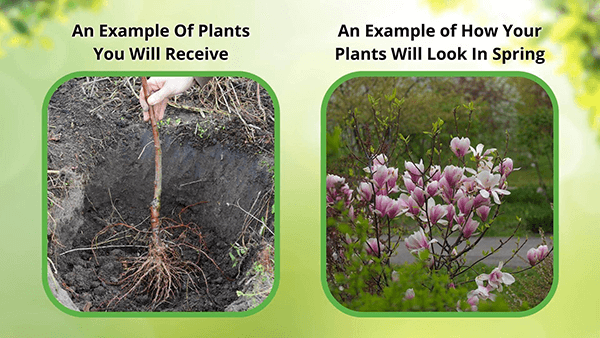
This Is How Your Plants Will Look upon Delivery

Shipping date depends on the date displayed and chosen when you order from the product's page.
We do not offer warranties on products after 5 days past receiving your plants.