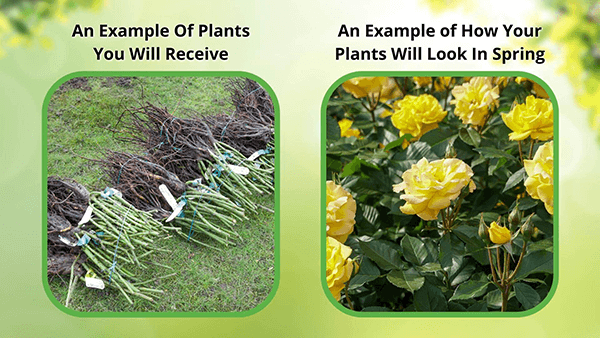
Description
Description
Rubus Occidentalis - Black Raspberry
The black raspberry‚ Rubus occidentalis‚ is a fruit-bearing species of plant in the genus Rubus of the family Rosaceae․ It is native to North America‚ and is found most commonly in the east-central United States and most of Canada (excluding northern coastal regions)․
Shrub's Appearance
Plants are usually 3 to 6 feet in height with biennial canes․ The stems are thorny and dark purple, while the green leaves are lobed․ It produces white and pink flowers in late spring or early summer‚ followed by small‚ juicy‚ reddish to bluish-black fruits in the middle to late summer․ Uses of the black raspberry The fruit full of antioxidants‚ vitamins‚ and minerals․ It is used in cooking‚ or eaten raw‚ or used in jams and preserves‚ or in dishes such as muffins‚ pies‚ tarts‚ souffles‚ and cakes․
Uses of the black raspberry
Easy To Grow
It is easy to propagate and grows well in almost any type of soil but does best in well-drained‚ slightly acidic soil․ It is a strong‚ vigorous species‚ frost tolerant and resistant to pests and diseases․ It is commonly propagated by root cuttings or division of established plants․ Where to Plant They are usually recommended to be planted in a well-drained location that is highly exposed‚ has plenty of room for the plant to grow‚ and where it gets good air flow․ Look for a location that gets at least six hours of sunlight per day‚ as this will help the fruit to grow to optimal quality․ The soil must also be well-drained and should not have been planted with any crops in the Rubus family before‚ as this exposes the plants to the risk of disease․ In general‚ do not plant the shrub if raspberry‚ blackberry or other members of the Rubus family have not been planted in the last three years․ When finding an area to plant‚ look for a sunny area with well-drained soil and with ample space for the plant to grow into a large‚ bushy shrub․ If properly cared for‚ your plants should grow well and produce delicious fruit․
Where to Plant
They are usually recommended to be planted in a well-drained location that is highly exposed‚ has plenty of room for the plant to grow‚ and where it gets good air flow․ Look for a location that gets at least six hours of sunlight per day‚ as this will help the fruit to grow to optimal quality․ The soil must also be well-drained and should not have been planted with any crops in the Rubus family before‚ as this exposes the plants to the risk of disease․ In general‚ do not plant the shrub if raspberry‚ blackberry or other members of the Rubus family have not been planted in the last three years․ When finding an area to plant‚ look for a sunny area with well-drained soil and with ample space for the plant to grow into a large‚ bushy shrub․ If properly cared for‚ your plants should grow well and produce delicious fruit․
Planting & Care
Planting & Care
Plant bare-root stock as soon as it arrives, in well-drained soil with full to partial sun unless noted otherwise above. Water deeply once a week during the first growing season to establish a strong root system.
Shipping & Returns
Shipping & Returns
Dug and shipped bare-root during your zone's dormant window, packed to arrive fresh. Every order is backed by our first-season establishment guarantee — we'll replace it for you.