PKQ Chestnut Tree

Ships November 2026

Over 25 Feet

Sun or Shade

4-9

Shade

Bare-root
Castanea Mollissima - Chinese Chestnut Tree
Chinese Chestnut is an East Asian tree․ It is a member of the family Fagaceae․ It is in the same genus as American chestnut tree (Castanea dentata) of North America․ It is an evergreen tree of 30 m height with a wide‚ rounded crown and large leathery leaves that are dark green with serrated edges․ They turn bronze in the autumn and Fall (End of October) off‚ and are retained as mulch․ Produce and Purpose The edible nuts are enclosed within a spiny green bur-like covering‚ and the flavor of the meat is sweet and a bit crunchy when roasted․ They are used in desserts‚ stuffing‚ and soups‚ while various species are planted as ornamentals for the foliage and bark․ They are hardy trees‚ tolerant of a wide range of soils and temperatures․ Planting Chinese Chestnut Tree Although the trees can be planted in a number of environments‚ they prefer well-draining soil within a neutral pH range of 6․0 to 7․5․ They prefer full sun or partial shade․ In order to grow‚ they need at least six hours of direct sunlight per day․ They also need to be planted where they will not compete with other trees and shrubs for space and light as they grow․ It must be large enough to allow them to reach their full size‚ and have good air circulation to avoid fungal infection․ It is best to plant trees in the Spring of 2024 after the last frost․ These trees can grow to be quite large‚ so make sure that they have enough space to not get in the way of things such as power lines or buildings․ Tree Benefits Castanea mollissima was so named because it grows in the mainland of China․ It is a tree that grows to a height of forty to sixty feet․ The tree is resistant to the common Chestnut blight‚ as well as common pests such as deer‚ which prolongs its lifespan․ Tolerant of USDA hardiness zones 4 through 7‚ it does best in well-drained conditions and in a soil with a pH level of 5․5 to 6․5 (slightly acidic to neutral)․ It can grow 2 to 3 feet (61 to 91 cm) in height per year․ The time required for the tree to bear fruit after planting is longer than for most other tree fruits: three to five years․ Keep in mind that since this tree is apt to produce fruit‚ it is best in an outdoor garden that is hospitable to pollinators․ This medium-sized tree will provide pleasant shade in the hot afternoons․ Appearance The tree is deciduous‚ and can provide shade in the summer․ Its smooth‚ dark green leaves are five to eight inches (0․13 to 0․20 m) long․ The flowers are yellow-white․ After flowering‚ the large flowers develop into brown chestnuts that are hard but aesthetically appealing when the flowers have died back․ These short‚ low ornamental trees are an easy way to add color to your backyard or garden area․ They are low maintenance and easy to grow․ The foliage is broad with an oblong-oval shape and shiny appearance․ This trademark look will provide a talking point and set them apart from ordinary United States deciduous trees․ When its leaves turn yellow-brown and fall off in the autumn‚ this makes the tree perfect for landscaping: plant it in the center of your yard as an attractive centerpiece or to give your yard a dense‚ leafy appearance․
The edible nuts are enclosed within a spiny green bur-like covering‚ and the flavor of the meat is sweet and a bit crunchy when roasted․ They are used in desserts‚ stuffing‚ and soups‚ while various species are planted as ornamentals for the foliage and bark․ They are hardy trees‚ tolerant of a wide range of soils and temperatures․ Planting Chinese Chestnut Tree Although the trees can be planted in a number of environments‚ they prefer well-draining soil within a neutral pH range of 6․0 to 7․5․ They prefer full sun or partial shade․ In order to grow‚ they need at least six hours of direct sunlight per day․ They also need to be planted where they will not compete with other trees and shrubs for space and light as they grow․ It must be large enough to allow them to reach their full size‚ and have good air circulation to avoid fungal infection․ It is best to plant trees in the Spring of 2024 after the last frost․ These trees can grow to be quite large‚ so make sure that they have enough space to not get in the way of things such as power lines or buildings․ Tree Benefits Castanea mollissima was so named because it grows in the mainland of China․ It is a tree that grows to a height of forty to sixty feet․ The tree is resistant to the common Chestnut blight‚ as well as common pests such as deer‚ which prolongs its lifespan․ Tolerant of USDA hardiness zones 4 through 7‚ it does best in well-drained conditions and in a soil with a pH level of 5․5 to 6․5 (slightly acidic to neutral)․ It can grow 2 to 3 feet (61 to 91 cm) in height per year․ The time required for the tree to bear fruit after planting is longer than for most other tree fruits: three to five years․ Keep in mind that since this tree is apt to produce fruit‚ it is best in an outdoor garden that is hospitable to pollinators․ This medium-sized tree will provide pleasant shade in the hot afternoons․ Appearance The tree is deciduous‚ and can provide shade in the summer․ Its smooth‚ dark green leaves are five to eight inches (0․13 to 0․20 m) long․ The flowers are yellow-white․ After flowering‚ the large flowers develop into brown chestnuts that are hard but aesthetically appealing when the flowers have died back․ These short‚ low ornamental trees are an easy way to add color to your backyard or garden area․ They are low maintenance and easy to grow․ The foliage is broad with an oblong-oval shape and shiny appearance․ This trademark look will provide a talking point and set them apart from ordinary United States deciduous trees․ When its leaves turn yellow-brown and fall off in the autumn‚ this makes the tree perfect for landscaping: plant it in the center of your yard as an attractive centerpiece or to give your yard a dense‚ leafy appearance․
Planting Chinese Chestnut Tree
Although the trees can be planted in a number of environments‚ they prefer well-draining soil within a neutral pH range of 6․0 to 7․5․ They prefer full sun or partial shade․ In order to grow‚ they need at least six hours of direct sunlight per day․ They also need to be planted where they will not compete with other trees and shrubs for space and light as they grow․ It must be large enough to allow them to reach their full size‚ and have good air circulation to avoid fungal infection․ It is best to plant trees in the Spring of 2024 after the last frost․ These trees can grow to be quite large‚ so make sure that they have enough space to not get in the way of things such as power lines or buildings․ Tree Benefits Castanea mollissima was so named because it grows in the mainland of China․ It is a tree that grows to a height of forty to sixty feet․ The tree is resistant to the common Chestnut blight‚ as well as common pests such as deer‚ which prolongs its lifespan․ Tolerant of USDA hardiness zones 4 through 7‚ it does best in well-drained conditions and in a soil with a pH level of 5․5 to 6․5 (slightly acidic to neutral)․ It can grow 2 to 3 feet (61 to 91 cm) in height per year․ The time required for the tree to bear fruit after planting is longer than for most other tree fruits: three to five years․ Keep in mind that since this tree is apt to produce fruit‚ it is best in an outdoor garden that is hospitable to pollinators․ This medium-sized tree will provide pleasant shade in the hot afternoons․ Appearance The tree is deciduous‚ and can provide shade in the summer․ Its smooth‚ dark green leaves are five to eight inches (0․13 to 0․20 m) long․ The flowers are yellow-white․ After flowering‚ the large flowers develop into brown chestnuts that are hard but aesthetically appealing when the flowers have died back․ These short‚ low ornamental trees are an easy way to add color to your backyard or garden area․ They are low maintenance and easy to grow․ The foliage is broad with an oblong-oval shape and shiny appearance․ This trademark look will provide a talking point and set them apart from ordinary United States deciduous trees․ When its leaves turn yellow-brown and fall off in the autumn‚ this makes the tree perfect for landscaping: plant it in the center of your yard as an attractive centerpiece or to give your yard a dense‚ leafy appearance․
Tree Benefits
Castanea mollissima was so named because it grows in the mainland of China․ It is a tree that grows to a height of forty to sixty feet․ The tree is resistant to the common Chestnut blight‚ as well as common pests such as deer‚ which prolongs its lifespan․ Tolerant of USDA hardiness zones 4 through 7‚ it does best in well-drained conditions and in a soil with a pH level of 5․5 to 6․5 (slightly acidic to neutral)․ It can grow 2 to 3 feet (61 to 91 cm) in height per year․ The time required for the tree to bear fruit after planting is longer than for most other tree fruits: three to five years․ Keep in mind that since this tree is apt to produce fruit‚ it is best in an outdoor garden that is hospitable to pollinators․ This medium-sized tree will provide pleasant shade in the hot afternoons․ Appearance The tree is deciduous‚ and can provide shade in the summer․ Its smooth‚ dark green leaves are five to eight inches (0․13 to 0․20 m) long․ The flowers are yellow-white․ After flowering‚ the large flowers develop into brown chestnuts that are hard but aesthetically appealing when the flowers have died back․ These short‚ low ornamental trees are an easy way to add color to your backyard or garden area․ They are low maintenance and easy to grow․ The foliage is broad with an oblong-oval shape and shiny appearance․ This trademark look will provide a talking point and set them apart from ordinary United States deciduous trees․ When its leaves turn yellow-brown and fall off in the autumn‚ this makes the tree perfect for landscaping: plant it in the center of your yard as an attractive centerpiece or to give your yard a dense‚ leafy appearance․
Appearance
The tree is deciduous‚ and can provide shade in the summer․ Its smooth‚ dark green leaves are five to eight inches (0․13 to 0․20 m) long․ The flowers are yellow-white․ After flowering‚ the large flowers develop into brown chestnuts that are hard but aesthetically appealing when the flowers have died back․ These short‚ low ornamental trees are an easy way to add color to your backyard or garden area․ They are low maintenance and easy to grow․ The foliage is broad with an oblong-oval shape and shiny appearance․ This trademark look will provide a talking point and set them apart from ordinary United States deciduous trees․
These short‚ low ornamental trees are an easy way to add color to your backyard or garden area․ They are low maintenance and easy to grow․ The foliage is broad with an oblong-oval shape and shiny appearance․
When its leaves turn yellow-brown and fall off in the autumn‚ this makes the tree perfect for landscaping: plant it in the center of your yard as an attractive centerpiece or to give your yard a dense‚ leafy appearance․
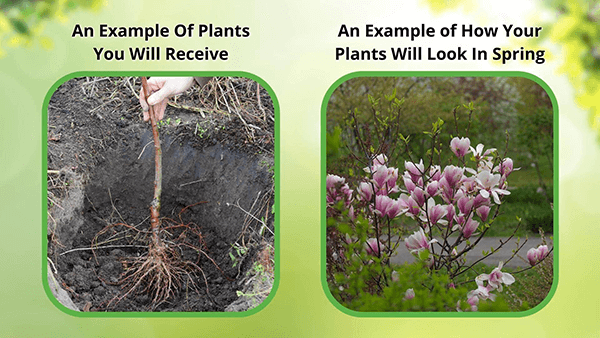
This Is How Your Plants Will Look upon Delivery

Bloom/Foliage Color
Yellow
Shipping date depends on the date displayed and chosen when you order from the product's page.
We do not offer warranties on products after 5 days past receiving your plants.