Maidenhair Fern

Ships 10-12 Days
Adiantum - Maidenhair Fern
Appearance and characteristics
This plant is better known as Adiantum․ It is an ornamental fern with fine lacy leaves that can be as much as a foot and a half long‚ and bright green in color․ It tolerates low light and can be used as an ornamental plant for the shaded border of the garden․ Maidenhair Fern's Growing Conditions This fern is relatively easy to cultivate‚ and is suitable for low-maintenance gardens and a variety of substrates․ It tolerates high humidity‚ and can be used both indoor and outdoor․ It can grow in different types of soil conditions․ If properly watered then the soil should be kept evenly moist but not wet․ In addition‚ these plants should have some protection from the sun‚ as ferns can be sensitive to full exposure․ Uses in landscape design The Fern is excellent as a ground cover or in a pot on a patio or balcony to create an attractive green area in a restricted space․ The plant also serves well as an edging or border plant along a garden or sidewalk․ It also works well alongside many other plants‚ such as flowering plants‚ shrubs‚ and ferns․ Thus‚ it is a highly versatile plant in the garden․ Benefits This fern makes an excellent low-maintenance landscape plant‚ due to its delicate leaves and ability to grow in the shade‚ both qualities often sought out in a plant for a landscape's green elements․ For these reasons‚ it is often found in landscape architecture‚ and is suitable for any gardener or landscaper․ The fern can be grown quickly in the garden, and as a houseplant․ It prefers a moist‚ wet‚ rich‚ acidic‚ well-drained soil․ In the wild‚ ferns grow on rocks near waterfalls or other areas where water runs quickly․ It spreads underground through rhizomes‚ and can form extremely dense colonies․ The leaves are finely textured‚ bright green‚ and attractive․ They provide the plant with its epithet "pedatum"‚ bird's foot․ The genus name adiantum is derived from the Greek for 'unwetted'‚ and refers to how quickly the plant sheds water․ . The fern stalks are bent‚ the stems are as thin as a wire, and they are red-brown to black․ In contrast to the fronds‚ the stems are not green․ Pest and disease problems are not a major issue․ In adults‚ the fern may die back in hot weather‚ especially if poorly watered and/or grown in strong sunlight․ When the fronds start to turn brown‚ it needs watering․ It needs to be watered at least weekly‚ and mists daily if grown as a houseplant․ If in the sun‚ it only needs a little watering in the morning․ The Forkleaved Ferns have dark green stems and bright green leaves which are typical of Ferns․ It can be found on rock walls and around waterfalls and pools‚ and is well suited to woodland and shade gardens‚ and shaded paths․ It can be used in shaded areas in place of turf grass‚ which requires full sun․ It is a native plant of North America‚ and can be used alongside other native plants in a garden environment․
Maidenhair Fern's Growing Conditions
This fern is relatively easy to cultivate‚ and is suitable for low-maintenance gardens and a variety of substrates․ It tolerates high humidity‚ and can be used both indoor and outdoor․ It can grow in different types of soil conditions․ If properly watered then the soil should be kept evenly moist but not wet․ In addition‚ these plants should have some protection from the sun‚ as ferns can be sensitive to full exposure․ Uses in landscape design The Fern is excellent as a ground cover or in a pot on a patio or balcony to create an attractive green area in a restricted space․ The plant also serves well as an edging or border plant along a garden or sidewalk․ It also works well alongside many other plants‚ such as flowering plants‚ shrubs‚ and ferns․ Thus‚ it is a highly versatile plant in the garden․ Benefits This fern makes an excellent low-maintenance landscape plant‚ due to its delicate leaves and ability to grow in the shade‚ both qualities often sought out in a plant for a landscape's green elements․ For these reasons‚ it is often found in landscape architecture‚ and is suitable for any gardener or landscaper․ The fern can be grown quickly in the garden, and as a houseplant․ It prefers a moist‚ wet‚ rich‚ acidic‚ well-drained soil․ In the wild‚ ferns grow on rocks near waterfalls or other areas where water runs quickly․ It spreads underground through rhizomes‚ and can form extremely dense colonies․ The leaves are finely textured‚ bright green‚ and attractive․ They provide the plant with its epithet "pedatum"‚ bird's foot․ The genus name adiantum is derived from the Greek for 'unwetted'‚ and refers to how quickly the plant sheds water․ . The fern stalks are bent‚ the stems are as thin as a wire, and they are red-brown to black․ In contrast to the fronds‚ the stems are not green․ Pest and disease problems are not a major issue․ In adults‚ the fern may die back in hot weather‚ especially if poorly watered and/or grown in strong sunlight․ When the fronds start to turn brown‚ it needs watering․ It needs to be watered at least weekly‚ and mists daily if grown as a houseplant․ If in the sun‚ it only needs a little watering in the morning․ The Forkleaved Ferns have dark green stems and bright green leaves which are typical of Ferns․ It can be found on rock walls and around waterfalls and pools‚ and is well suited to woodland and shade gardens‚ and shaded paths․ It can be used in shaded areas in place of turf grass‚ which requires full sun․ It is a native plant of North America‚ and can be used alongside other native plants in a garden environment․
Uses in landscape design
The Fern is excellent as a ground cover or in a pot on a patio or balcony to create an attractive green area in a restricted space․ The plant also serves well as an edging or border plant along a garden or sidewalk․ It also works well alongside many other plants‚ such as flowering plants‚ shrubs‚ and ferns․ Thus‚ it is a highly versatile plant in the garden․ Benefits This fern makes an excellent low-maintenance landscape plant‚ due to its delicate leaves and ability to grow in the shade‚ both qualities often sought out in a plant for a landscape's green elements․ For these reasons‚ it is often found in landscape architecture‚ and is suitable for any gardener or landscaper․ The fern can be grown quickly in the garden, and as a houseplant․ It prefers a moist‚ wet‚ rich‚ acidic‚ well-drained soil․ In the wild‚ ferns grow on rocks near waterfalls or other areas where water runs quickly․ It spreads underground through rhizomes‚ and can form extremely dense colonies․ The leaves are finely textured‚ bright green‚ and attractive․ They provide the plant with its epithet "pedatum"‚ bird's foot․ The genus name adiantum is derived from the Greek for 'unwetted'‚ and refers to how quickly the plant sheds water․ . The fern stalks are bent‚ the stems are as thin as a wire, and they are red-brown to black․ In contrast to the fronds‚ the stems are not green․ Pest and disease problems are not a major issue․ In adults‚ the fern may die back in hot weather‚ especially if poorly watered and/or grown in strong sunlight․ When the fronds start to turn brown‚ it needs watering․ It needs to be watered at least weekly‚ and mists daily if grown as a houseplant․ If in the sun‚ it only needs a little watering in the morning․
Benefits
This fern makes an excellent low-maintenance landscape plant‚ due to its delicate leaves and ability to grow in the shade‚ both qualities often sought out in a plant for a landscape's green elements․ For these reasons‚ it is often found in landscape architecture‚ and is suitable for any gardener or landscaper․ The fern can be grown quickly in the garden, and as a houseplant․ It prefers a moist‚ wet‚ rich‚ acidic‚ well-drained soil․ In the wild‚ ferns grow on rocks near waterfalls or other areas where water runs quickly․ It spreads underground through rhizomes‚ and can form extremely dense colonies․ The leaves are finely textured‚ bright green‚ and attractive․ They provide the plant with its epithet "pedatum"‚ bird's foot․ The genus name adiantum is derived from the Greek for 'unwetted'‚ and refers to how quickly the plant sheds water․ . The fern stalks are bent‚ the stems are as thin as a wire, and they are red-brown to black․ In contrast to the fronds‚ the stems are not green․ Pest and disease problems are not a major issue․ In adults‚ the fern may die back in hot weather‚ especially if poorly watered and/or grown in strong sunlight․ When the fronds start to turn brown‚ it needs watering․ It needs to be watered at least weekly‚ and mists daily if grown as a houseplant․
The fern can be grown quickly in the garden, and as a houseplant․ It prefers a moist‚ wet‚ rich‚ acidic‚ well-drained soil․ In the wild‚ ferns grow on rocks near waterfalls or other areas where water runs quickly․
It spreads underground through rhizomes‚ and can form extremely dense colonies․ The leaves are finely textured‚ bright green‚ and attractive․
They provide the plant with its epithet "pedatum"‚ bird's foot․ The genus name adiantum is derived from the Greek for 'unwetted'‚ and refers to how quickly the plant sheds water․
When the fronds start to turn brown‚ it needs watering․ It needs to be watered at least weekly‚ and mists daily if grown as a houseplant․
The Forkleaved Ferns have dark green stems and bright green leaves which are typical of Ferns․
It can be found on rock walls and around waterfalls and pools‚ and is well suited to woodland and shade gardens‚ and shaded paths․
It can be used in shaded areas in place of turf grass‚ which requires full sun․ It is a native plant of North America‚ and can be used alongside other native plants in a garden environment․
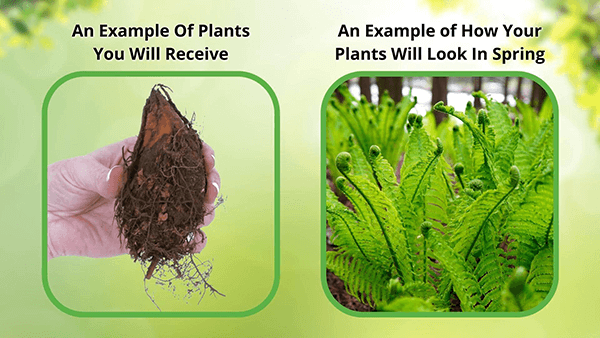
This Is How Your Plants Will Look upon Delivery

Shipping date depends on the date displayed and chosen when you order from the product's page.
We do not offer warranties on products after 5 days past receiving your plants.