
Pee Gee Hydrangea

Ships 10-12 Days

Under 10 Feet

Sun or Shade

3-9

Birding

Bare-root
Hydrangea Paniculata 'Grandiflora - Pee Gee Hydrangea
Pee Gee hydrangea is a beautiful and versatile deciduous shrub that can add a lovely touch to any garden or landscape. It is also known as Hydrangea paniculata 'Grandiflora.' It is famous for many gardeners due to its showy, cone-shaped flower clusters measuring up to 18 inches long. They bloom in mid-summer to Fall (End of October) and are favored for their long-lasting flowers that start white and gradually turn pink or bronze as they age.
Growth and Maintenance
They can grow up to 15 feet tall and wide, making them an excellent choice for creating a dramatic focal point in a garden. They will develop in full-to-shade and well-drained soil but can tolerate various soil types. Once established, they are drought-tolerant, making them a low-maintenance plant for your garden.
Pee Gee Hydrangea Requirements
To keep your shrubs looking their best, it is essential to water them significantly once a week and to apply fertilizer in early Spring 2024 to promote healthy growth and blooming. Pruning is also vital in maintaining the health and shape of your shrubs. Prune them in winter or early Spring 2024 before new growth appears. Trim any dead or damaged wood and cut back last year's growth to 2-3 buds. They are generally resistant to pests and diseases.
Plant Uses
One of the most appealing features of the shrubs is their versatility. They can be used as a standalone specimen plant, as a hedge or screen, or in a mixed border. They can also be trained into a small tree form, which makes them an excellent choice for small gardens or urban landscapes.
Benefits
These hydrangeas are beautiful, versatile plants that add color and interest to any garden or landscape. They can provide reasonable care and maintenance for years of enjoyment and beauty. Their stunning flowers, ease of care, and adaptability make them an excellent choice for any gardener looking for a low-maintenance, high-impact plant.
The shrub is a plant indigenous to Japan and was introduced further west in 1862. This flowering shrub was desired because of its plethora of flowers. It can grow to ten to twenty feet and spread as wide as ten or twenty feet.
The hydrangea grows round and can be either left as a shrub or pruned into a small flowering tree. The giant stem of the shrub is kept and staked to give the tree more stability. The other stems are pruned back, leaving stems on the upper quarter of the new "trunk." In the spring, the lower branches must be pruned back again.
As a shrub or tree, the shrub is a fast grower, possibly increasing upwards of two feet every season. It prefers full sun and partial shade. This shrub does best with at least four hours of direct sunlight daily.
This shrub can be grown in acidic, sandy, porous, nutrient-rich clay and well-drained soil for best success. Its popularity is aided by its ability to succeed in various climates and soils.
The shrub can be expected to grow in Hardiness Zones 3-8, which encompasses most of the continental United States. It is popular because of its large white flowers that will turn purple or pink throughout summer.
The branches, or clusters, of these flowers, are usually six to eight inches long but can grow more than twelve to eighteen inches if the hydrangea is pruned down to between five to ten clusters.
The leaves of the Pee Gee are dark green and three to six inches long, with serrated edges. During the summer, they can be reflective.
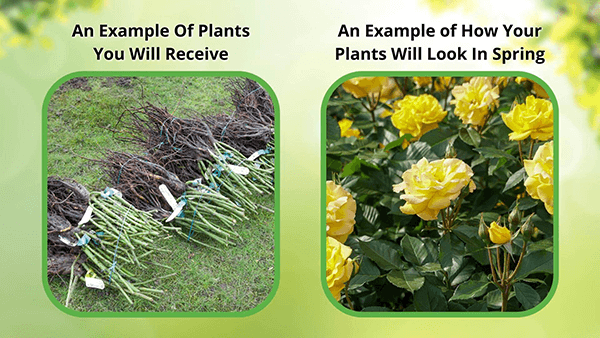
This Is How Your Plants Will Look upon Delivery

Bloom/Foliage Color
White
Shipping date depends on the date displayed and chosen when you order from the product's page.
We do not offer warranties on products after 5 days past receiving your plants.