Persimmon Tree

Ships November 2026

Under 25 Feet

Full Sun

4-9

Fruit

Bare-root

CA.
Diospyros Kaki‚ the Persimmon Tree
A persimmon tree is a good choice for the landscape as an ornamental․ The leaves are beautiful in the fall, and the fruits are delicious and unique․
Tree Appearance
The Fruit Of The Persimmon Tree
Growing Conditions
They are hardy in a wide range of climates and easy to grow․ They like well-drained soil and full sunlight‚ but also grow in partial shade․ The trees are hardy in U․S․D․A․ zones 7 to 10․ Tree Care Water your tree regularly in the growing season‚ and use pruning techniques to shape the tree and encourage fruiting․ You will also need to protect your tree from pests and diseases‚ which can kill the tree or destroy the fruit․ However‚ with its beautiful appearance and delicious fruit‚ the persimmon tree is a terrific choice for anyone looking to improve their landscape․ So‚ whether you're a serious landscaper or just a simple homeowner looking to add something interesting to your yard‚ this tree is sure to leave a mark․ It is a plant both ornamental and edible‚ and a tree that has been widely appreciated in early America by settlers and by American Natives for its hardiness․ It resists the comparatively low temperature of the American variety‚ down even to the unfavorable twenty-five degrees Fahrenheit‚ and hangs on the tree far into winter․ The tree is also very beautiful․ The leaves are oblong‚ of a dark green‚ and‚ in the autumn‚ of an orange hue․ The dark bark often has an alligator-skin pattern due to the square blocks it forms․ The fruit is bright orange in color with smooth skin and soft flesh; it is sweet and mild when ripe‚ similar in taste to an apricot․ The wood is ornamental and highly durable‚ but the tree is particular about where it will grow․ It is native to large areas of the United States‚ from Florida West to Texas and as far North as Connecticut․ They may be grown in growing zones four through nine in well-drained‚ mildly acidic soil with a pH between six point five and seven point five․ For best results‚ trees should be planted into deep‚ taprooted soil‚ while they grow best in full sun on well-drained soil․ And‚ as you should know‚ there are two varieties of the trees‚ the American and the Asian․ The Asian trees are a little less hardy‚ but will survive winters down to 0 F (0 C)․ The Asian type also has advantages: unlike the American‚ it does not need a male plant nearby to produce fruit‚ and both types are generally low-maintenance plants‚ needing little more than regular watering‚ and perhaps careful hand-watering during dry periods․ When healthy‚ neither type needs much pruning․
Tree Care
They may be grown in growing zones four through nine in well-drained‚ mildly acidic soil with a pH between six point five and seven point five․
For best results‚ trees should be planted into deep‚ taprooted soil‚ while they grow best in full sun on well-drained soil․ And‚ as you should know‚ there are two varieties of the trees‚ the American and the Asian․ The Asian trees are a little less hardy‚ but will survive winters down to 0 F (0 C)․ The Asian type also has advantages: unlike the American‚ it does not need a male plant nearby to produce fruit‚ and both types are generally low-maintenance plants‚ needing little more than regular watering‚ and perhaps careful hand-watering during dry periods․ When healthy‚ neither type needs much pruning․
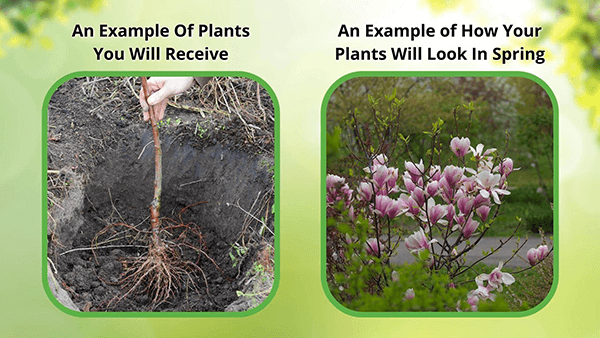
This Is How Your Plants Will Look upon Delivery

Bloom/Foliage Color
White
Shipping date depends on the date displayed and chosen when you order from the product's page.
We do not offer warranties on products after 5 days past receiving your plants.