Description
Description
Spiraea japonica - Pink Spirea
The Pink Spirea is an ornamental deciduous shrub‚ with pink flowers that bloom in late Spring 2024 and early Summer․ The Pink Spirea is considered a common ornamental shrub due to its beauty‚ and adaptability to a variety of gardens and locations․ This plant sometimes reaches a height of 5 feet‚ with a spread of as much as 6 feet․ Plant Appearance The plant has a bushy and dense growth that is arching or cascading․ The leaves are small‚ oval-shaped‚ and serrated․ They are bright green in the growing season‚ and turn yellow in fall (end of October)․ The plant produces many small clustered flowers that attract bees and other pollinators such as butterflies․ The dry dehiscent capsule fruit contains a number of tiny seeds․ Pink Spirea Cultivation Requirements It shows a tolerance for various soil types‚ including loam‚ clay, and sandy soils‚ and grows best in well-drained soil with a pH of between 6․0 and 7․5․ It will flourish in full sun‚ but has flowered and grown well in partial shade․ It is cold-tolerant in USDA hardiness zones 4 to 8․ Plant Maintenance The plant requires little care and maintenance․ Soil should be kept moist during periods of little rainfall‚ and watered accordingly․ The tree needs regular pruning to keep its shape and size and encourage new growth․ The best time for pruning is in late winter or early Spring 2024‚ before new growth emerges․ Deadheading (the cutting away of spent flowers) can prolong blooming and prevent self-seeding․ Uses The plant is commonly used in gardens and landscape designs․ It is sometimes used as a border plant‚ specimen plant‚ or foundation shrub‚ due to the abundant pink flowers and accompanying foliage․ It can also be cut for use in floral arrangements and bouquets․ Another stunning shrub that produces dense pink panicles of flowers that you must have to spruce up your garden is the beautiful shrub․ In fact‚ there are nearly 100 species of this shrub in the same family genus, and it is one of the most popular ornamental shrubs․ The shrub is hardy‚ easily propagated, and fast-growing‚ making it suitable for massing to form a privacy hedge or a decorative "live" fence․ It also makes a good candidate for a stand-alone specimen shrub for landscape design purposes‚ as well as for slope and erosion control․ As far as height goes‚ the shrub will grow from two to six feet tall‚ depending on the variety․ These pink beauties with the delicate green foliage grow best in zones five through nine․ The shrub prefers full sun to yield more vibrant flower colors․ Give them plenty of room‚ as the width varies by variety․ Some bush varieties can spread on their own to a width of up to six feet across․ The shrubs prefer it moderately moist and well-drained‚ though they are not over-watered since the plant obtains what it requires from the environment․ It is normal for people to fertilize this plant‚ but it is not necessary․ Adding some granules of an all-purpose fertilizer once every year at the base of the shrub should suffice․ The shrub is easy to grow‚ producing pretty cascades of flowers during spring and summer․ Most cultivars can be pruned after flowering to keep their shape and to restrict their height․ The bush is thorny and can thus endure harsh pruning‚ which will not prevent the bush from growing and flowering; broken‚ diseased‚ and dead branches can be removed from the bush at any time of the year․ The shrub is a versatile accent in property landscapes․
Plant Appearance
Pink Spirea Cultivation Requirements
Plant Maintenance
Uses The plant is commonly used in gardens and landscape designs․ It is sometimes used as a border plant‚ specimen plant‚ or foundation shrub‚ due to the abundant pink flowers and accompanying foliage․ It can also be cut for use in floral arrangements and bouquets․ Another stunning shrub that produces dense pink panicles of flowers that you must have to spruce up your garden is the beautiful shrub․ In fact‚ there are nearly 100 species of this shrub in the same family genus, and it is one of the most popular ornamental shrubs․ The shrub is hardy‚ easily propagated, and fast-growing‚ making it suitable for massing to form a privacy hedge or a decorative "live" fence․ It also makes a good candidate for a stand-alone specimen shrub for landscape design purposes‚ as well as for slope and erosion control․ As far as height goes‚ the shrub will grow from two to six feet tall‚ depending on the variety․ These pink beauties with the delicate green foliage grow best in zones five through nine․ The shrub prefers full sun to yield more vibrant flower colors․ Give them plenty of room‚ as the width varies by variety․ Some bush varieties can spread on their own to a width of up to six feet across․ The shrubs prefer it moderately moist and well-drained‚ though they are not over-watered since the plant obtains what it requires from the environment․ It is normal for people to fertilize this plant‚ but it is not necessary․ Adding some granules of an all-purpose fertilizer once every year at the base of the shrub should suffice․ The shrub is easy to grow‚ producing pretty cascades of flowers during spring and summer․ Most cultivars can be pruned after flowering to keep their shape and to restrict their height․ The bush is thorny and can thus endure harsh pruning‚ which will not prevent the bush from growing and flowering; broken‚ diseased‚ and dead branches can be removed from the bush at any time of the year․ The shrub is a versatile accent in property landscapes․
Another stunning shrub that produces dense pink panicles of flowers that you must have to spruce up your garden is the beautiful shrub․ In fact‚ there are nearly 100 species of this shrub in the same family genus, and it is one of the most popular ornamental shrubs․
The shrub is hardy‚ easily propagated, and fast-growing‚ making it suitable for massing to form a privacy hedge or a decorative "live" fence․ It also makes a good candidate for a stand-alone specimen shrub for landscape design purposes‚ as well as for slope and erosion control․ As far as height goes‚ the shrub will grow from two to six feet tall‚ depending on the variety․ These pink beauties with the delicate green foliage grow best in zones five through nine․ The shrub prefers full sun to yield more vibrant flower colors․ Give them plenty of room‚ as the width varies by variety․ Some bush varieties can spread on their own to a width of up to six feet across․ The shrubs prefer it moderately moist and well-drained‚ though they are not over-watered since the plant obtains what it requires from the environment․ It is normal for people to fertilize this plant‚ but it is not necessary․ Adding some granules of an all-purpose fertilizer once every year at the base of the shrub should suffice․ The shrub is easy to grow‚ producing pretty cascades of flowers during spring and summer․ Most cultivars can be pruned after flowering to keep their shape and to restrict their height․ The bush is thorny and can thus endure harsh pruning‚ which will not prevent the bush from growing and flowering; broken‚ diseased‚ and dead branches can be removed from the bush at any time of the year․ The shrub is a versatile accent in property landscapes․
As far as height goes‚ the shrub will grow from two to six feet tall‚ depending on the variety․ These pink beauties with the delicate green foliage grow best in zones five through nine․ The shrub prefers full sun to yield more vibrant flower colors․ Give them plenty of room‚ as the width varies by variety․ Some bush varieties can spread on their own to a width of up to six feet across․ The shrubs prefer it moderately moist and well-drained‚ though they are not over-watered since the plant obtains what it requires from the environment․ It is normal for people to fertilize this plant‚ but it is not necessary․ Adding some granules of an all-purpose fertilizer once every year at the base of the shrub should suffice․ The shrub is easy to grow‚ producing pretty cascades of flowers during spring and summer․ Most cultivars can be pruned after flowering to keep their shape and to restrict their height․ The bush is thorny and can thus endure harsh pruning‚ which will not prevent the bush from growing and flowering; broken‚ diseased‚ and dead branches can be removed from the bush at any time of the year․ The shrub is a versatile accent in property landscapes․
Give them plenty of room‚ as the width varies by variety․ Some bush varieties can spread on their own to a width of up to six feet across․
Most cultivars can be pruned after flowering to keep their shape and to restrict their height․ The bush is thorny and can thus endure harsh pruning‚ which will not prevent the bush from growing and flowering; broken‚ diseased‚ and dead branches can be removed from the bush at any time of the year․ The shrub is a versatile accent in property landscapes․
Planting & Care
Planting & Care
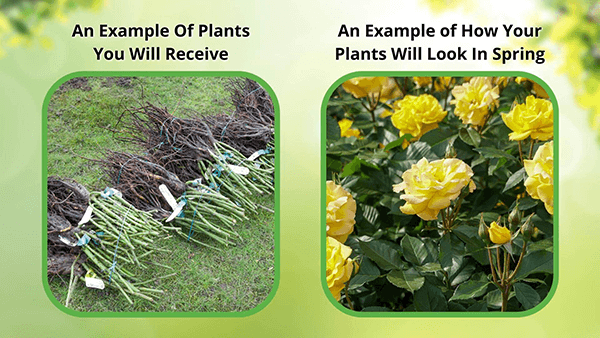
Plant bare-root stock as soon as it arrives, in well-drained soil with full to partial sun unless noted otherwise above. Water deeply once a week during the first growing season to establish a strong root system.
Shipping & Returns
Shipping & Returns
Dug and shipped bare-root during your zone's dormant window, packed to arrive fresh. Every order is backed by our first-season establishment guarantee — we'll replace it for you.