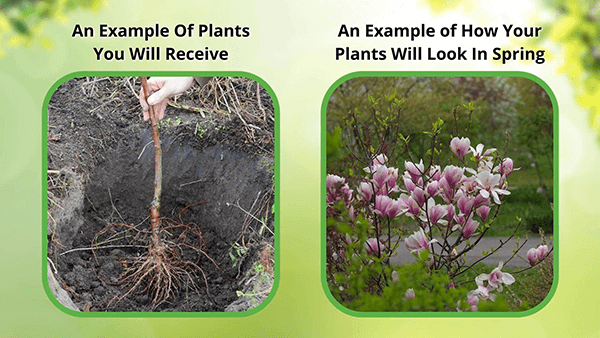
Description
Description
Acer pseudoplatanus - Sycamore Trees
The Sycamore Tree is a great addition to any landscape, providing shade and beauty to any outdoor space․ Due to its size and characteristics, it is a great choice for any homeowner or landscaper․
Sycamore Tree's Characteristics
Benefits
Care
While The Tree is a Hardy Species‚ It Does Require Some Care to Thrive
When growing‚ it should be planted in well-drained soil and watered regularly‚ especially during periods of high heat and low rainfall․ The shrub can be pruned during either the winter or early spring of 2024 to promote additional branch growth and remove damaged branches․ Additionally‚ consistent application of fertilizer can help the tree remain healthy․
The Tree's Growth The Sycamore tree is a long-living tree of ancient lineage‚ with trees estimated at being at least 400 years old․ They are often 90 to 130 feet tall (27 to 40 m)‚ and about as wide as they are tall․ The tree can have a very thick trunk‚ with one ancient tree having a trunk diameter of 13 feet (4․0 m)․ This tree does require a certain amount of space‚ but will provide ample ornamental qualities in return․ It is especially resistant to pollution and salinity (hence its prevalence in city areas)‚ and will produce beautiful bark and thick shade․ It is hardy from zones 4 through 9․ Preferably‚ it grows in rich soil and near water‚ though it is also considered a drought-tolerant plant‚ and has extraordinary yearly growth․ Some botanists have indicated that a well-cared tree can grow at a rate of 6 feet per year‚ and some professionals recommend that the tree be pruned to keep it to a maximum height of 25 feet․ The tree is difficult and can withstand extreme pruning and it also requires some fertilizer to be applied in the autumn․ During summer‚ the leaves are 4 to 9 inches long and dense on the branches․ They are nearly heart-shaped‚ with three to five lobes‚ pale green beneath‚ light-green above with a hollow base to the leafstalk enclosing the winterbud․ The fruit is the characteristic button balls or conkers, which contain dry hairy seeds called achenes, which are light enough to be carried by the wind or water․ These trees may also leave behind a mottled look on the trunk‚ because their bark flakes off in large brown sections‚ leaving behind newly exposed creamy bark‚ which is especially visible during the winter after the tree has shed its leaves․ It flowers in April․ The yellow male flowers and red female flowers are borne on the same plant‚ the red female flowers being borne at the tip of the branch and the smaller yellow male flowers back on the old wood towards the trunk․
The Sycamore tree is a long-living tree of ancient lineage‚ with trees estimated at being at least 400 years old․ They are often 90 to 130 feet tall (27 to 40 m)‚ and about as wide as they are tall․ The tree can have a very thick trunk‚ with one ancient tree having a trunk diameter of 13 feet (4․0 m)․ This tree does require a certain amount of space‚ but will provide ample ornamental qualities in return․ It is especially resistant to pollution and salinity (hence its prevalence in city areas)‚ and will produce beautiful bark and thick shade․ It is hardy from zones 4 through 9․ Preferably‚ it grows in rich soil and near water‚ though it is also considered a drought-tolerant plant‚ and has extraordinary yearly growth․ Some botanists have indicated that a well-cared tree can grow at a rate of 6 feet per year‚ and some professionals recommend that the tree be pruned to keep it to a maximum height of 25 feet․ The tree is difficult and can withstand extreme pruning and it also requires some fertilizer to be applied in the autumn․ During summer‚ the leaves are 4 to 9 inches long and dense on the branches․ They are nearly heart-shaped‚ with three to five lobes‚ pale green beneath‚ light-green above with a hollow base to the leafstalk enclosing the winterbud․ The fruit is the characteristic button balls or conkers, which contain dry hairy seeds called achenes, which are light enough to be carried by the wind or water․ These trees may also leave behind a mottled look on the trunk‚ because their bark flakes off in large brown sections‚ leaving behind newly exposed creamy bark‚ which is especially visible during the winter after the tree has shed its leaves․ It flowers in April․ The yellow male flowers and red female flowers are borne on the same plant‚ the red female flowers being borne at the tip of the branch and the smaller yellow male flowers back on the old wood towards the trunk․
This tree does require a certain amount of space‚ but will provide ample ornamental qualities in return․ It is especially resistant to pollution and salinity (hence its prevalence in city areas)‚ and will produce beautiful bark and thick shade․ It is hardy from zones 4 through 9․ Preferably‚ it grows in rich soil and near water‚ though it is also considered a drought-tolerant plant‚ and has extraordinary yearly growth․ Some botanists have indicated that a well-cared tree can grow at a rate of 6 feet per year‚ and some professionals recommend that the tree be pruned to keep it to a maximum height of 25 feet․ The tree is difficult and can withstand extreme pruning and it also requires some fertilizer to be applied in the autumn․ During summer‚ the leaves are 4 to 9 inches long and dense on the branches․ They are nearly heart-shaped‚ with three to five lobes‚ pale green beneath‚ light-green above with a hollow base to the leafstalk enclosing the winterbud․ The fruit is the characteristic button balls or conkers, which contain dry hairy seeds called achenes, which are light enough to be carried by the wind or water․ These trees may also leave behind a mottled look on the trunk‚ because their bark flakes off in large brown sections‚ leaving behind newly exposed creamy bark‚ which is especially visible during the winter after the tree has shed its leaves․ It flowers in April․ The yellow male flowers and red female flowers are borne on the same plant‚ the red female flowers being borne at the tip of the branch and the smaller yellow male flowers back on the old wood towards the trunk․
Some botanists have indicated that a well-cared tree can grow at a rate of 6 feet per year‚ and some professionals recommend that the tree be pruned to keep it to a maximum height of 25 feet․ The tree is difficult and can withstand extreme pruning and it also requires some fertilizer to be applied in the autumn․
These trees may also leave behind a mottled look on the trunk‚ because their bark flakes off in large brown sections‚ leaving behind newly exposed creamy bark‚ which is especially visible during the winter after the tree has shed its leaves․
It flowers in April․ The yellow male flowers and red female flowers are borne on the same plant‚ the red female flowers being borne at the tip of the branch and the smaller yellow male flowers back on the old wood towards the trunk․
Planting & Care
Planting & Care
Plant bare-root stock as soon as it arrives, in well-drained soil with full to partial sun unless noted otherwise above. Water deeply once a week during the first growing season to establish a strong root system.
Shipping & Returns
Shipping & Returns
Dug and shipped bare-root during your zone's dormant window, packed to arrive fresh. Every order is backed by our first-season establishment guarantee — we'll replace it for you.