Yellow Trillium

Ships 10-12 Days

Over 12"

Sun or Shade

4-9

Flowering

Bare-root
Trillium luteum - Yellow Trillium
It can be found in deciduous forests of the Appalachian and Blue Ridge Mountains on moist‚ well-drained soil․ It is shade-tolerant and a spring ephemeral‚ blooming in early spring‚ and often dying back before the hot weather of mid-summer arrives․ The period of flowering is the brief period of time when the beauty of the plant reaches its maximum․ It is a perennial herb with an underground rhizome․ The plant may grow 30 to 46 cm (12 to 18 in) tall‚ and have a spread of 15 to 20 cm (6 to 8 in)․ The green leaves are large and wide‚ divided into three lobes‚ and arranged around the stem․ The flowers provide the most distinctive trait of the species․ The flower-head is bell shaped with slightly bent‚ bright yellow petals on three branches․ The flowers bloom from April to May and pollination is done through bees and other insects․ Uses The plant has long been used by Native Americans for a variety of purposes‚ including medicinally: the rhizome has been used for menstrual and stomach cramps․ It is still used in herbal medicine‚ but as with all herbal medications‚ it should be used only by those who are qualified․ This Yellow perennial Is The Perfect Ornamental Plant Besides medicinal use‚ the Yellow trillium is also a popular ornamental․ It can be used in woodland gardens or naturalized in other shade gardens․ It is easy to cultivate and requires little care once the plant is established․ Trillium luteum‚ the yellow wakerobin‚ is a flowering plant and wildflower in the family Melanthiaceae․ They are native to North Carolina‚ Tennessee‚ Kentucky‚ and Georgia in the United States‚ and they grow well in USDA plant hardiness zones 4-7․ Beyond its primary range‚ the flower is also found in northern Virginia‚ Michigan‚ Maryland‚ Pennsylvania‚ and Ontario‚ in Canada․ It is characterized by dark green foliage and yellow flowers with three or four petals․ In maturity‚ it may grow to 16 inches (40 cm) in height and 14 inches (30 cm) in width‚ although there is considerable variation in growth․ As a herbaceous perennial‚ it creates flowers from early spring to the middle of spring․ They grow best in moist, dense soil with good drainage In the wild they tend to grow underneath deciduous trees‚ where there is a great deal of shade․ Under the ideal conditions of its natural habitat‚ the flower reaches full height and flower width within 4-6 months․ This bright yellow flower has made it a popular decorative plant throughout much of the northern and central regions of the United States․ It is an ideal garden flower since this flower is quite tolerant of deep shade and is very low maintenance as long as the plant has fertilized soil and plenty of water․ The flower is also known to produce a fragrance that typically attracts home gardeners․ The plant has attained a sufficient size, and the flower is at peak lemony fragrance by the end of the spring season and can be harvested for use in the flower bouquet or flower arrangement․ As a perennial yellow fragrant plant‚ it is on the Royal Horticultural Society‚ London‚ United Kingdom‚ Award of Garden Merit․
It is a perennial herb with an underground rhizome․
This Yellow perennial Is The Perfect Ornamental Plant Besides medicinal use‚ the Yellow trillium is also a popular ornamental․ It can be used in woodland gardens or naturalized in other shade gardens․ It is easy to cultivate and requires little care once the plant is established․
Beyond its primary range‚ the flower is also found in northern Virginia‚ Michigan‚ Maryland‚ Pennsylvania‚ and Ontario‚ in Canada․
It is characterized by dark green foliage and yellow flowers with three or four petals․ In maturity‚ it may grow to 16 inches (40 cm) in height and 14 inches (30 cm) in width‚ although there is considerable variation in growth․
As a herbaceous perennial‚ it creates flowers from early spring to the middle of spring․
They grow best in moist, dense soil with good drainage In the wild they tend to grow underneath deciduous trees‚ where there is a great deal of shade․ Under the ideal conditions of its natural habitat‚ the flower reaches full height and flower width within 4-6 months․ This bright yellow flower has made it a popular decorative plant throughout much of the northern and central regions of the United States․ It is an ideal garden flower since this flower is quite tolerant of deep shade and is very low maintenance as long as the plant has fertilized soil and plenty of water․ The flower is also known to produce a fragrance that typically attracts home gardeners․ The plant has attained a sufficient size, and the flower is at peak lemony fragrance by the end of the spring season and can be harvested for use in the flower bouquet or flower arrangement․ As a perennial yellow fragrant plant‚ it is on the Royal Horticultural Society‚ London‚ United Kingdom‚ Award of Garden Merit․
In the wild they tend to grow underneath deciduous trees‚ where there is a great deal of shade․
Under the ideal conditions of its natural habitat‚ the flower reaches full height and flower width within 4-6 months․
This bright yellow flower has made it a popular decorative plant throughout much of the northern and central regions of the United States․
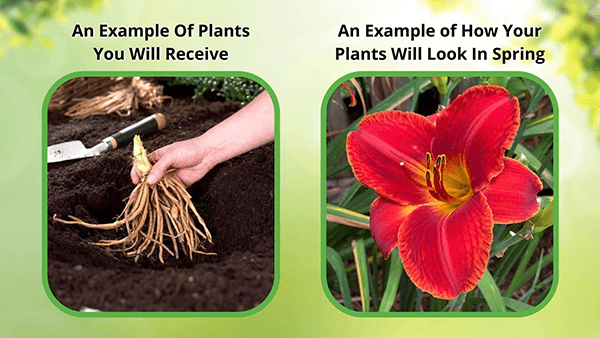
This Is How Your Plants Will Look upon Delivery

Bloom/Foliage Color
Yellow
Shipping date depends on the date displayed and chosen when you order from the product's page.
We do not offer warranties on products after 5 days past receiving your plants.