
Best Food Plot Plants for Wildlife Gardens
Share
Plants and animals need to be chosen correctly to form a successful wildlife-friendly food plot. When deciding on the species to establish, whether you are planting food plots for deer or assisting the birds and small mammals, the selection of the species should give you nutrition and provide shelter and habitat. An annual food plot planter approach is a well-planned approach that incorporates the incorporation of native trees and shrubs, as well as ground covers that yield berries, nuts, and seeds that the wildlife relies on all year round. At Wholesale Nursery Co., we are distributing quality plants that have been chosen specifically to produce successful wildlife food plots.
Understanding the Role of Food Plot Plants in Wildlife Gardens
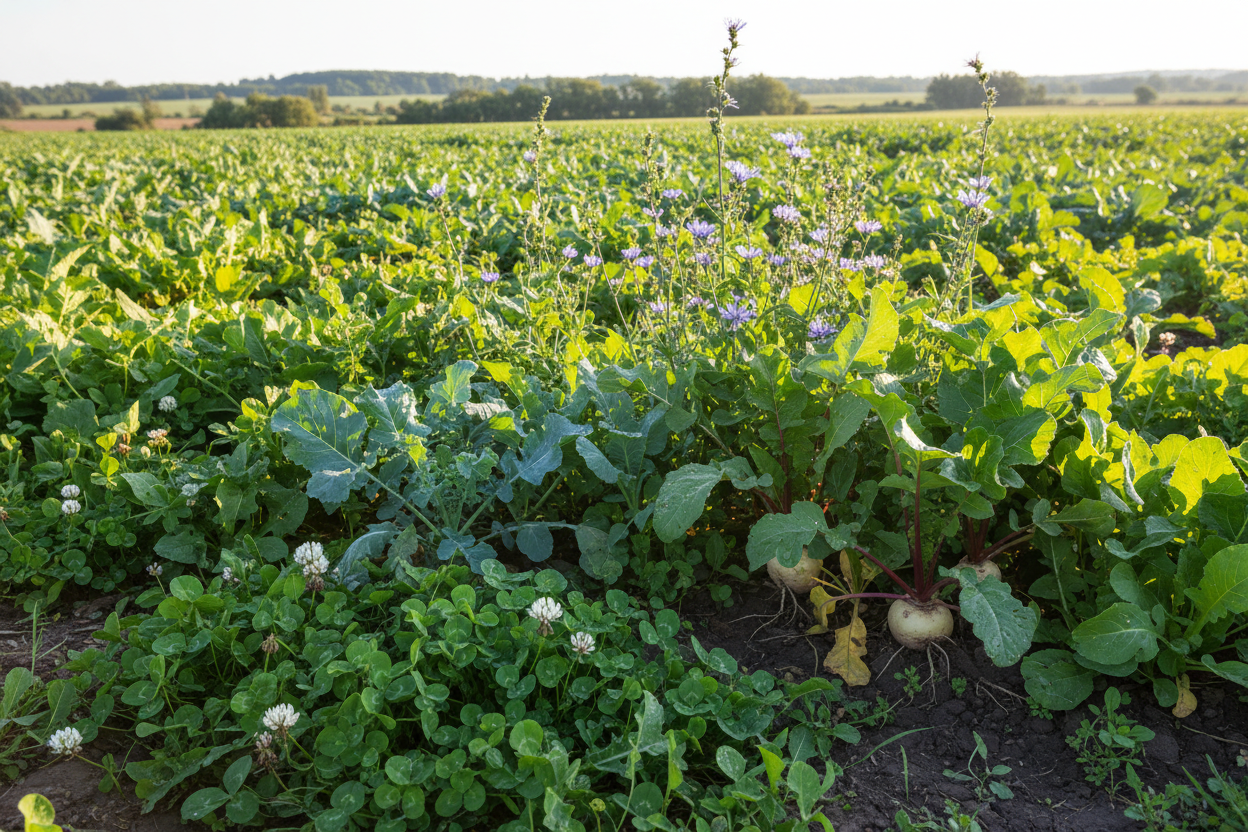
Food plot plants are important to design a workable backyard wildlife habitat that sustains the local species throughout the years. As contrasted to conventional farming crops, which are planted to be harvested once in a season, designed food plots permit food year-round, along with dense cover for nesting and protection.
Knowledge of how to grow a food plot for deer and other wildlife begins with the acknowledgment of the fact that diverse plantings and monocultures radically outperform each other. Combining native plants for wildlife will provide a more stable habitat, increase the abundance of more species, and enhance the well-being of the soil and organic matter naturally. The USDA Plants Database offers free conservation planning resources to get science-driven advice on the topic of wildlife habitat.
Top Food Plot Plants to Boost Wildlife Activity
Wholesale Nursery Co. can provide the best options for planting food plots for deer and other wildlife. Here are the top picks:
Willow Oak
This is a native oak that grows rapidly and yields plenty of acorns, which are used by deer, turkeys, and squirrels during the fall and winter. One of the most valuable long-term additions that any food plot planter would include in the strategy is the Willow Oak.
Appalachian Sedge
A native sedge that is low-growing and forms a dense ground cover that deer can browse on and also provides a habitat for ground-nesting birds. Appalachian Sedge is a splendid option among native plants for wildlife food plots in shaded woodlands.
Black Raspberry
This is a hearty native bramble with sweet dark berries that the birds, foxes, and small mammals are obtaining with great eagerness. Wildlife in the backyard also requires the Black Raspberry, which provides the backyard wildlife habitat with thicket cover, where they nest.
Elderberry
This is a rapid-growth native shrub that grows in large clusters with dark berries that are a favorite of more than 50 bird species. One of the most fruitful plants for planting food plots for deer and birds is the Elderberry, which serves well and prospers with little maintenance.
Red Chokeberry
This is a native shrub that is hardy, has white flowers in the spring, and is persistent; therefore, its berries are red and sustain wildlife in the winter. The Red Chokeberry is an excellent selection of native plants for wildlife as a multi-season bird plant.
Planting and Maintenance Tips for Thriving Food Plots
To learn successfully how to grow a food plot for deer, one has to install and plan properly. Whereas food plot equipment like ATVs, seed spreaders, etc., is necessary in planning food plots on a large scale, smaller plots in the backyard require just a few hand tools. Follow these steps:
-
Read the location: Cut back other plants and rake up hard soil prior to planting.
-
Add soil: Add compost and organic materials to the planting areas to enhance the health of the roots.
- Provide space: Allow room for shrubs and trees to grow to maturity.
Post-Planting Care
Newly planted food plot planter selections are intensively plowed once or twice through the first growing season with water. Put two to three inches of mulch on the base. The native plants for wildlife do not need fertilizer after they become established. Wholesale Nursery Co. will include detailed instructions for care with each order.
Native vs. Non-Native Food Plot Plants: What Works Best?
Native species always perform well in comparison to non-native ones when it comes to planting food plots for deer and other wild animals. Animals that are native to the area have developed native plants for wildlife that are much more ecologically useful than introduced species. They sustain the living things in the soil, enhance microbial diversity, and supply the local wildlife with the exact nutrients they require.
Native species also demand much less care as compared to exotic ones. They are resistant to the local pests, are able to endure the weather conditions in the region without irrigation, and create permanent food supplies without planting yearly. Although certain native food plot crops have a role to play, the establishment of the foundation of a backyard wildlife habitat using native trees and shrubs is better at providing long-term outcomes.
Creating a Balanced Habitat with Diverse Plant Types
To know how to grow a food plot for deer, which can accommodate other wildlife, the plantings should be layered using plant varieties. Pairing mast-creating trees such as Willow Oak to autumn and winter food with berry-creating shrubs such as Elderberry and Black Raspberry to summer sustenance.
Introduction of groundcovers, such as the Appalachian Sedge, which are soft to browse and nest all through the year. This variety makes food available all year round, as well as offers the structural complexity that the backyard wildlife habitat needs. Native perennials have superior performance with less maintenance, and one should never rely on food plot equipment that is set up to support agricultural-type plantations.
Conclusion
The appropriate choice of food plot plants improves the wildlife gardens and establishes successful ecosystems that sustain the local species throughout the year. The mixture of mast-producing trees, berry-bearing shrubs, and native groundcovers provides uninterrupted nutrients and habitat relied upon by the wildlife. Willow Oak, full of acorns, or Appalachian Sedge, fruitful Black Raspberry, choice Elderberry, or Red Chokeberry that lasts the winter—every kind of Wholesale Nursery Co. is a selection.
Trust Wholesale Nursery Co. is dependable in offering high-quality plants to be used for planting food plots for deer and other wild animals that would convert their property into a productive backyard wildlife habitat.
FAQs
What are the best food plot plants for wildlife?
Among the best native plants that are suitable as wildlife food and cover throughout the year are Willow Oak, Elderberry, Black Raspberry, and Red Chokeberry.
How do berry-producing plants benefit local species?
Berry growers such as Elderberry and Black Raspberry support more than 50 bird species, as well as deer, foxes, and small mammals during important periods of their lives.
Are native food plot plants better than non-native varieties?
It is true that native wildlife plants need less care, sustain local ecosystems more effectively, and offer food species have adapted to rely on.
Can food plots attract both birds and deer?
Yes, a variety of plantings in food plots for deer, consisting of oaks, berries, and groundcovers, nurtures both birds and mammals at the same time.
How do I maintain perennial food plots?
Establish mulch every year, and do not fertilize the native plants to ensure that they do not develop in lean soils.
What is the easiest food plot to grow?
The easiest ones to learn how to grow a food plot to feed the deer are Elderberry and Red Chokeberry, and they hardly need any attention.
How do I start a food plot in my backyard or woodland area?
Cleared vegetation, composted soil, planted with native plants to provide food to wildlife, and kept moist during the first season without heavy food plot gear.