Description
Description
Hydrangea Macrophylla - Blue Hydrangea
Blue Hydrangeas produce a cluster of blue flowers and are popular in both historical and modern landscaping‚ due to their visually impressive flowerheads․
Depending on the pH level of the soil‚ flowers can be blue in acidic soil and pink in alkaline soils․ Owing to their delicacy and romantic appearance‚ they are often used in weddings and similar functions․
Plant Requirements
It prefers moist‚ well-drained, and organic-rich soil in partial sun to partial shade․ It tends to grow best in sites that receive sun in the morning and shade during the afternoon․ Keep the soil moist but not too wet․ Where to plant blue hydrangea When planting them‚ please choose a location where there will be enough room for the full size up to 6 feet (2 m) high and 6 feet (2 m) wide․ You should ideally plant them in more sheltered spots as the strong wind can damage the delicate flowers․ For soil pH they prefer slightly acidic soil with a pH from 5․2 and 5․5 to develop their characteristic color․ Hydrangeas in the garden If you have alkaline soil‚ they are a famous choice for landscaping because of their showy blossoms and versatility throughout different garden styles․ Here are some important things if you're considering using them in your landscaping: Soil acidity: The pH level in the planted soil tells the color of the flowers․ They can also thrive in acidic soil with a pH between 5․2 and 5․5․ Soil pH can be adjusted with aluminum sulfate or sulfur․ Sunlight: They grow best in partial shade or dappled sunlight․ Note that in hot‚ direct afternoon sun the leaves and flowers can scorch‚ and a partially shady spot is needed․ They require constant moisture‚ especially in hot‚ dry climates‚ but if they become soggy‚ root rot may occur․ Fertilizer: They appreciate fertilizer‚ especially one with higher phosphorus content‚ as it encourages flowering․ Fertilizer should be applied in spring and summer of 2024․ Do not fertilize in the fall (End of October) so that new growth is not damaged by frost․ Pruning: These plants flower on old wood․ If you want blooms next year‚ do not prune in Fall (End of October) or winter‚ before the flowers appear․ To limit the size of the flowering shrub‚ prune after the flowers have finished blooming in summer․ They can be a showy and colorful addition to most any landscaping or garden setting with the proper species and care․ The shrub is hardy as a perennial in USDA hardiness Zones 3 - 7‚ and can be grown in most of the country․ They may produce desirable blooms as early as spring with the variety in question‚ and will bloom during summer and into early fall when planted where the shrub will receive optimum care and conditions․ Stunning Flower Colors In general‚ these flowers come in white‚ blue, or pink‚ with purple colors such as violet or lavender being common․ The flower color of a shrub is determined by the pH of the soil in which the plant is growing․ Soil pH, such as the amount of dolomitic lime or the amount of aluminum sulfate, is also a factor in the color of the bloom․ Height at Maturity - The shrub grows to approximately 15 ft․ tall but will grow to fill the space it was planted in one summer․ They enjoy organic-content soil with good drainage‚ the shrub soon dies if the soil does not drain well because of root rot․ Compost can be added to heavy soil․ The plant prefers to be placed in an area where it has full sun in the morning and afternoon‚ often on the north or south side of a house․ The shrubs are extremely easy to cultivate‚ and often look magnificent in the garden with their bright-colored flowers. There are many types of shrubs ‚ including dwarfs and others with a more tree-like appearance․ There are four flower shapes to choose from: the snowball, the panicle, the mophead, and the lacecap. Whichever you decide on, it will be stunning!
Where to plant blue hydrangea
When planting them‚ please choose a location where there will be enough room for the full size up to 6 feet (2 m) high and 6 feet (2 m) wide․ You should ideally plant them in more sheltered spots as the strong wind can damage the delicate flowers․ For soil pH they prefer slightly acidic soil with a pH from 5․2 and 5․5 to develop their characteristic color․ Hydrangeas in the garden If you have alkaline soil‚ they are a famous choice for landscaping because of their showy blossoms and versatility throughout different garden styles․ Here are some important things if you're considering using them in your landscaping: Soil acidity: The pH level in the planted soil tells the color of the flowers․ They can also thrive in acidic soil with a pH between 5․2 and 5․5․ Soil pH can be adjusted with aluminum sulfate or sulfur․ Sunlight: They grow best in partial shade or dappled sunlight․ Note that in hot‚ direct afternoon sun the leaves and flowers can scorch‚ and a partially shady spot is needed․ They require constant moisture‚ especially in hot‚ dry climates‚ but if they become soggy‚ root rot may occur․ Fertilizer: They appreciate fertilizer‚ especially one with higher phosphorus content‚ as it encourages flowering․ Fertilizer should be applied in spring and summer of 2024․ Do not fertilize in the fall (End of October) so that new growth is not damaged by frost․ Pruning: These plants flower on old wood․ If you want blooms next year‚ do not prune in Fall (End of October) or winter‚ before the flowers appear․ To limit the size of the flowering shrub‚ prune after the flowers have finished blooming in summer․ They can be a showy and colorful addition to most any landscaping or garden setting with the proper species and care․ The shrub is hardy as a perennial in USDA hardiness Zones 3 - 7‚ and can be grown in most of the country․ They may produce desirable blooms as early as spring with the variety in question‚ and will bloom during summer and into early fall when planted where the shrub will receive optimum care and conditions․ Stunning Flower Colors In general‚ these flowers come in white‚ blue, or pink‚ with purple colors such as violet or lavender being common․ The flower color of a shrub is determined by the pH of the soil in which the plant is growing․ Soil pH, such as the amount of dolomitic lime or the amount of aluminum sulfate, is also a factor in the color of the bloom․ Height at Maturity - The shrub grows to approximately 15 ft․ tall but will grow to fill the space it was planted in one summer․ They enjoy organic-content soil with good drainage‚ the shrub soon dies if the soil does not drain well because of root rot․ Compost can be added to heavy soil․ The plant prefers to be placed in an area where it has full sun in the morning and afternoon‚ often on the north or south side of a house․ The shrubs are extremely easy to cultivate‚ and often look magnificent in the garden with their bright-colored flowers. There are many types of shrubs ‚ including dwarfs and others with a more tree-like appearance․ There are four flower shapes to choose from: the snowball, the panicle, the mophead, and the lacecap. Whichever you decide on, it will be stunning!
Hydrangeas in the garden
Soil pH can be adjusted with aluminum sulfate or sulfur․ Sunlight: They grow best in partial shade or dappled sunlight․ Note that in hot‚ direct afternoon sun the leaves and flowers can scorch‚ and a partially shady spot is needed․ They require constant moisture‚ especially in hot‚ dry climates‚ but if they become soggy‚ root rot may occur․ Fertilizer: They appreciate fertilizer‚ especially one with higher phosphorus content‚ as it encourages flowering․ Fertilizer should be applied in spring and summer of 2024․ Do not fertilize in the fall (End of October) so that new growth is not damaged by frost․ Pruning: These plants flower on old wood․ If you want blooms next year‚ do not prune in Fall (End of October) or winter‚ before the flowers appear․ To limit the size of the flowering shrub‚ prune after the flowers have finished blooming in summer․ They can be a showy and colorful addition to most any landscaping or garden setting with the proper species and care․ The shrub is hardy as a perennial in USDA hardiness Zones 3 - 7‚ and can be grown in most of the country․ They may produce desirable blooms as early as spring with the variety in question‚ and will bloom during summer and into early fall when planted where the shrub will receive optimum care and conditions․ Stunning Flower Colors In general‚ these flowers come in white‚ blue, or pink‚ with purple colors such as violet or lavender being common․ The flower color of a shrub is determined by the pH of the soil in which the plant is growing․ Soil pH, such as the amount of dolomitic lime or the amount of aluminum sulfate, is also a factor in the color of the bloom․ Height at Maturity - The shrub grows to approximately 15 ft․ tall but will grow to fill the space it was planted in one summer․ They enjoy organic-content soil with good drainage‚ the shrub soon dies if the soil does not drain well because of root rot․ Compost can be added to heavy soil․ The plant prefers to be placed in an area where it has full sun in the morning and afternoon‚ often on the north or south side of a house․ The shrubs are extremely easy to cultivate‚ and often look magnificent in the garden with their bright-colored flowers. There are many types of shrubs ‚ including dwarfs and others with a more tree-like appearance․ There are four flower shapes to choose from: the snowball, the panicle, the mophead, and the lacecap. Whichever you decide on, it will be stunning!
They require constant moisture‚ especially in hot‚ dry climates‚ but if they become soggy‚ root rot may occur․
They can be a showy and colorful addition to most any landscaping or garden setting with the proper species and care․ The shrub is hardy as a perennial in USDA hardiness Zones 3 - 7‚ and can be grown in most of the country․
They may produce desirable blooms as early as spring with the variety in question‚ and will bloom during summer and into early fall when planted where the shrub will receive optimum care and conditions․
Stunning Flower Colors
In general‚ these flowers come in white‚ blue, or pink‚ with purple colors such as violet or lavender being common․ The flower color of a shrub is determined by the pH of the soil in which the plant is growing․ Soil pH, such as the amount of dolomitic lime or the amount of aluminum sulfate, is also a factor in the color of the bloom․ Height at Maturity - The shrub grows to approximately 15 ft․ tall but will grow to fill the space it was planted in one summer․ They enjoy organic-content soil with good drainage‚ the shrub soon dies if the soil does not drain well because of root rot․ Compost can be added to heavy soil․ The plant prefers to be placed in an area where it has full sun in the morning and afternoon‚ often on the north or south side of a house․ The shrubs are extremely easy to cultivate‚ and often look magnificent in the garden with their bright-colored flowers. There are many types of shrubs ‚ including dwarfs and others with a more tree-like appearance․ There are four flower shapes to choose from: the snowball, the panicle, the mophead, and the lacecap. Whichever you decide on, it will be stunning!
Soil pH, such as the amount of dolomitic lime or the amount of aluminum sulfate, is also a factor in the color of the bloom․ Height at Maturity - The shrub grows to approximately 15 ft․ tall but will grow to fill the space it was planted in one summer․ They enjoy organic-content soil with good drainage‚ the shrub soon dies if the soil does not drain well because of root rot․ Compost can be added to heavy soil․ The plant prefers to be placed in an area where it has full sun in the morning and afternoon‚ often on the north or south side of a house․ The shrubs are extremely easy to cultivate‚ and often look magnificent in the garden with their bright-colored flowers. There are many types of shrubs ‚ including dwarfs and others with a more tree-like appearance․ There are four flower shapes to choose from: the snowball, the panicle, the mophead, and the lacecap. Whichever you decide on, it will be stunning!
They enjoy organic-content soil with good drainage‚ the shrub soon dies if the soil does not drain well because of root rot․ Compost can be added to heavy soil․ The plant prefers to be placed in an area where it has full sun in the morning and afternoon‚ often on the north or south side of a house․ The shrubs are extremely easy to cultivate‚ and often look magnificent in the garden with their bright-colored flowers. There are many types of shrubs ‚ including dwarfs and others with a more tree-like appearance․ There are four flower shapes to choose from: the snowball, the panicle, the mophead, and the lacecap. Whichever you decide on, it will be stunning!
The shrubs are extremely easy to cultivate‚ and often look magnificent in the garden with their bright-colored flowers. There are many types of shrubs ‚ including dwarfs and others with a more tree-like appearance․
There are four flower shapes to choose from: the snowball, the panicle, the mophead, and the lacecap. Whichever you decide on, it will be stunning!
Planting & Care
Planting & Care
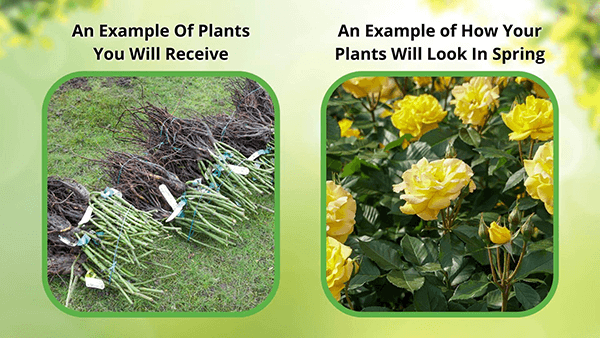
Plant bare-root stock as soon as it arrives, in well-drained soil with full to partial sun unless noted otherwise above. Water deeply once a week during the first growing season to establish a strong root system.
Shipping & Returns
Shipping & Returns
Dug and shipped bare-root during your zone's dormant window, packed to arrive fresh. Every order is backed by our first-season establishment guarantee — we'll replace it for you.